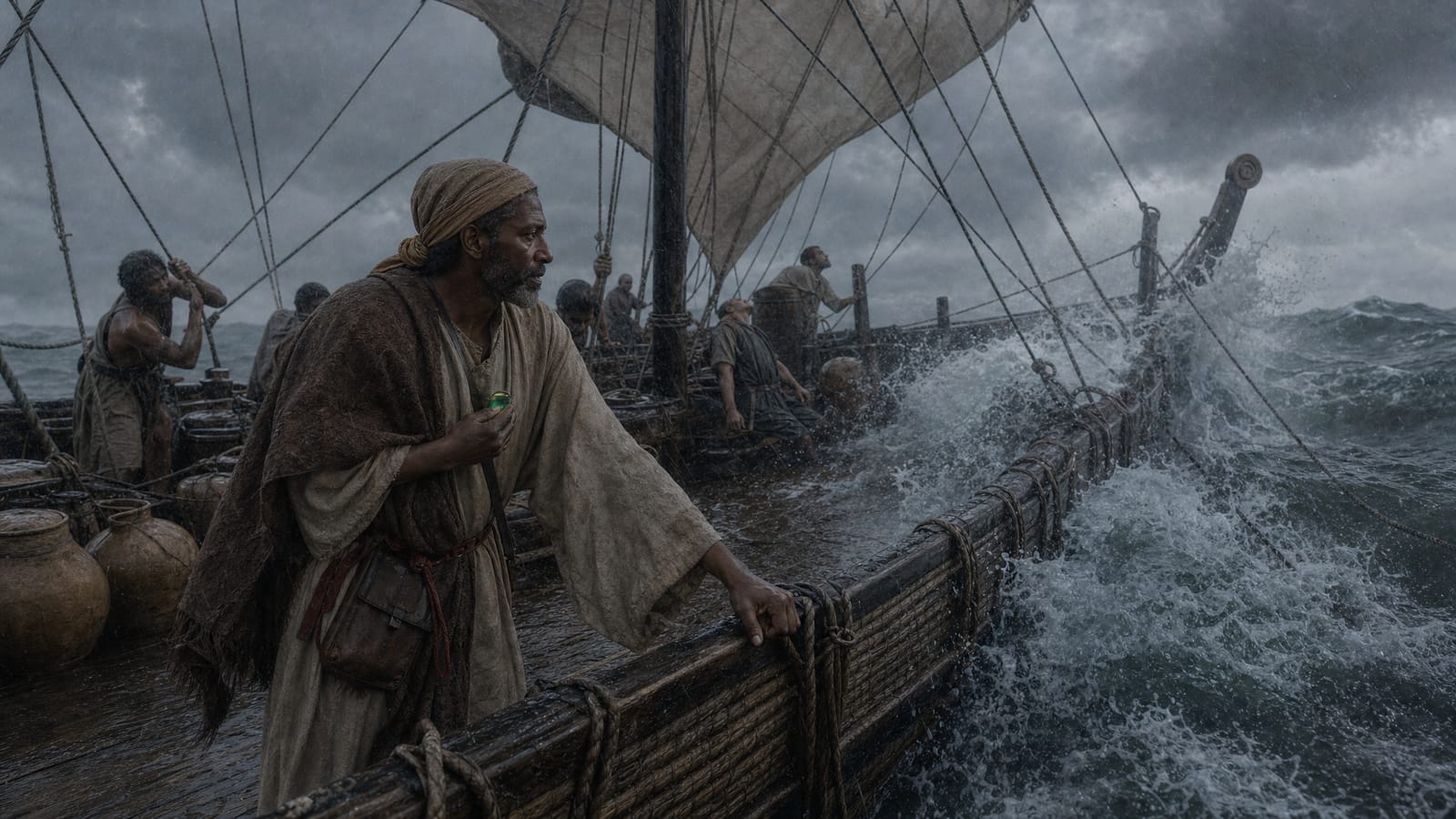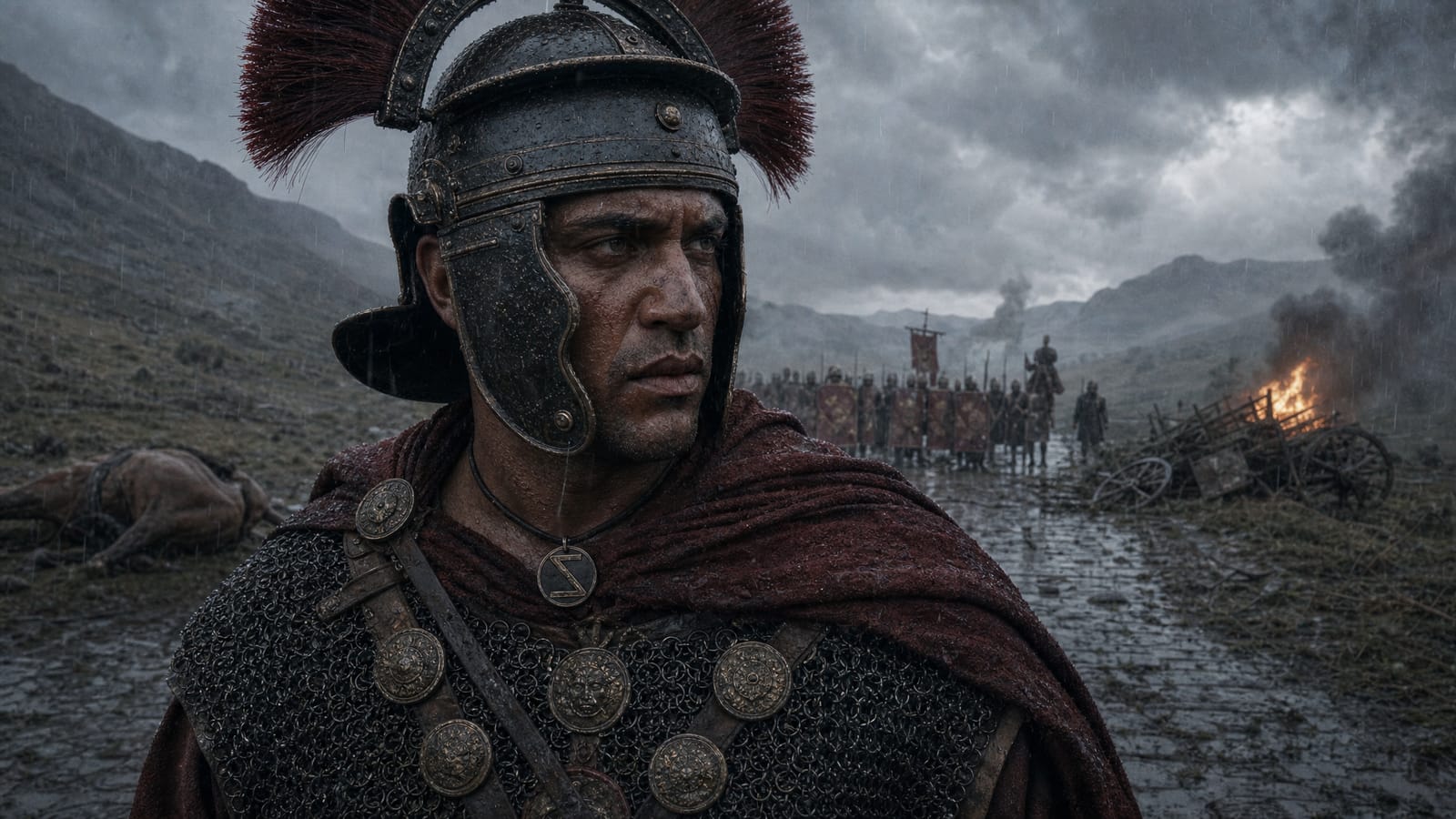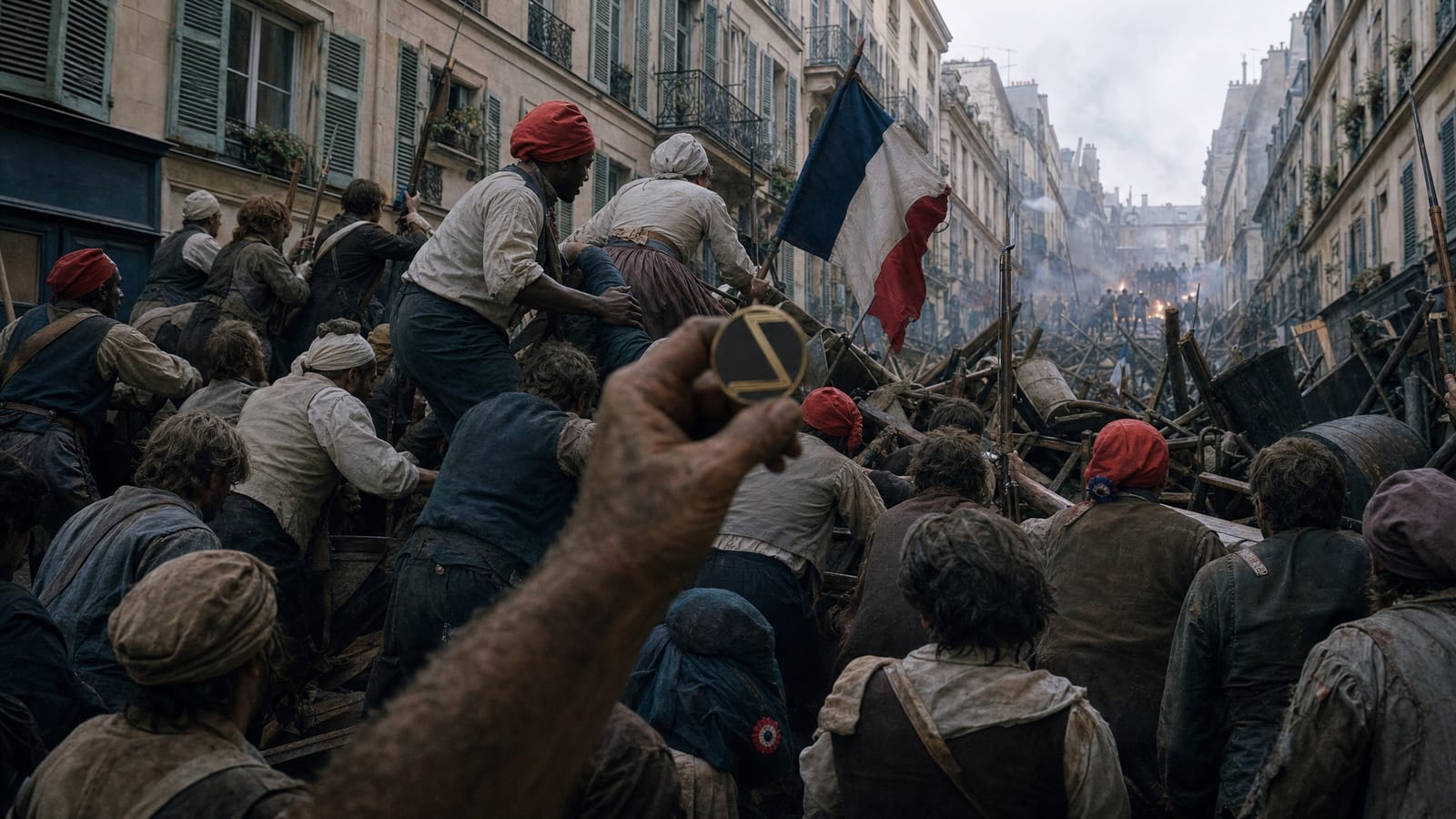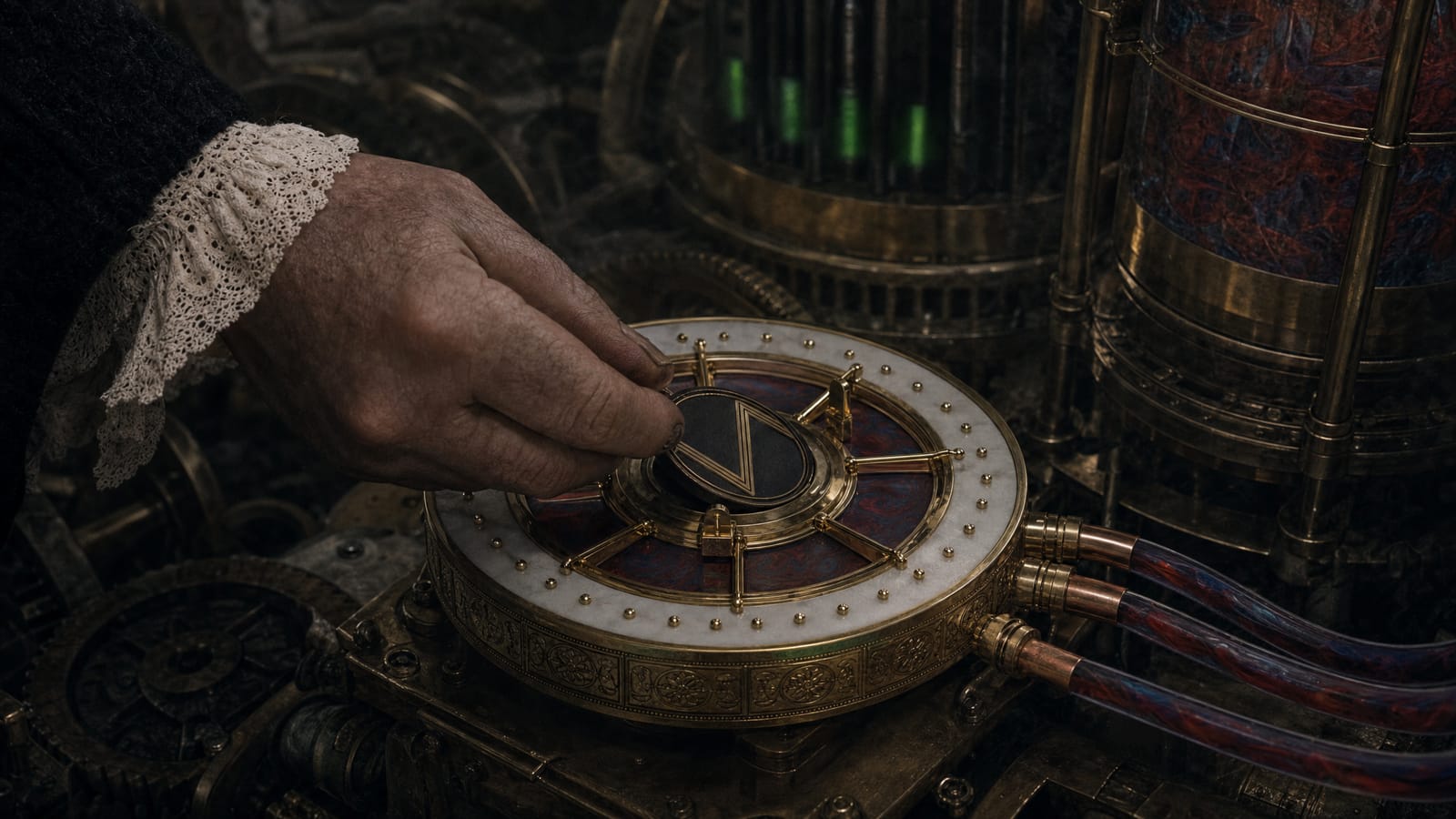
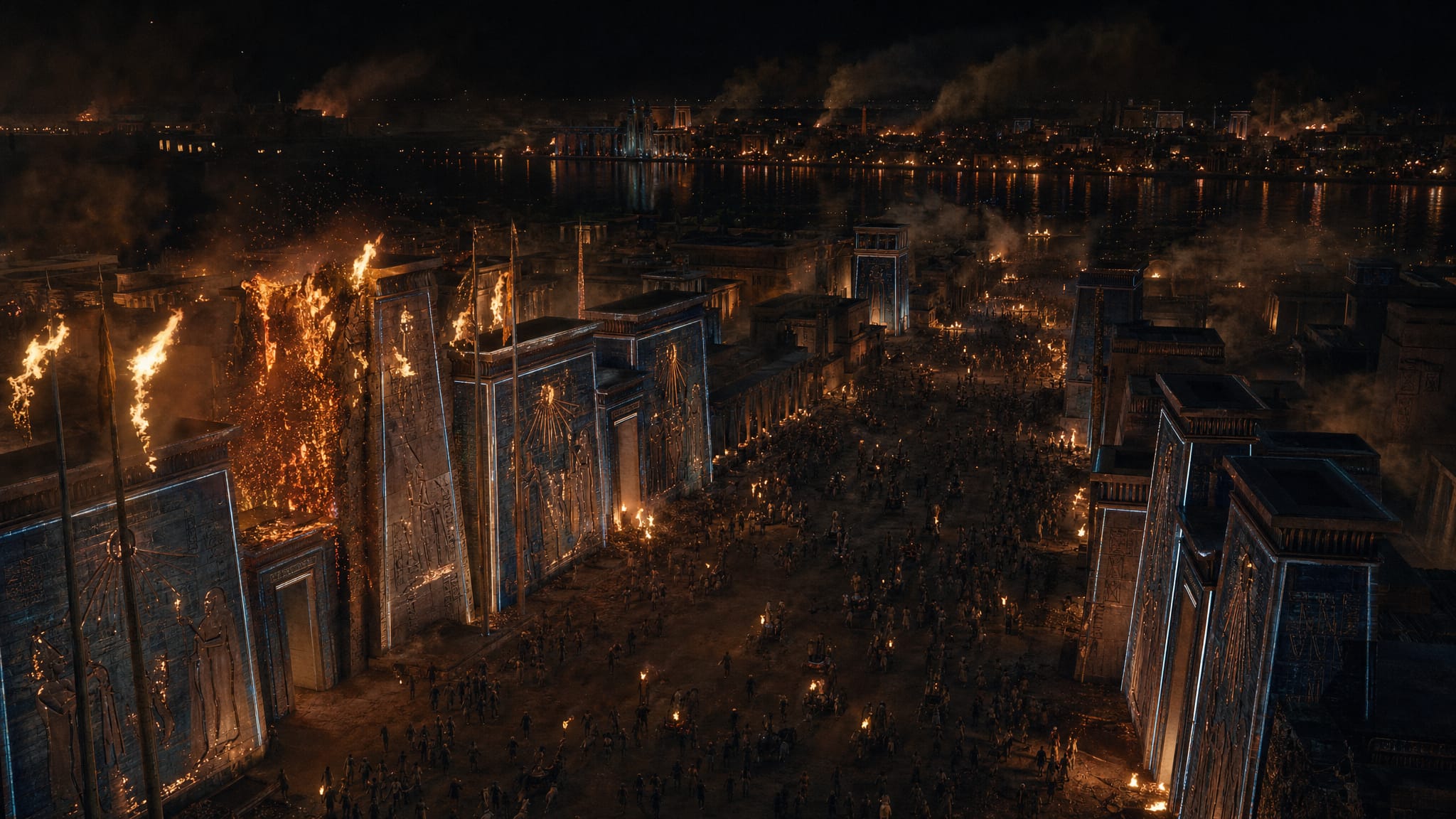
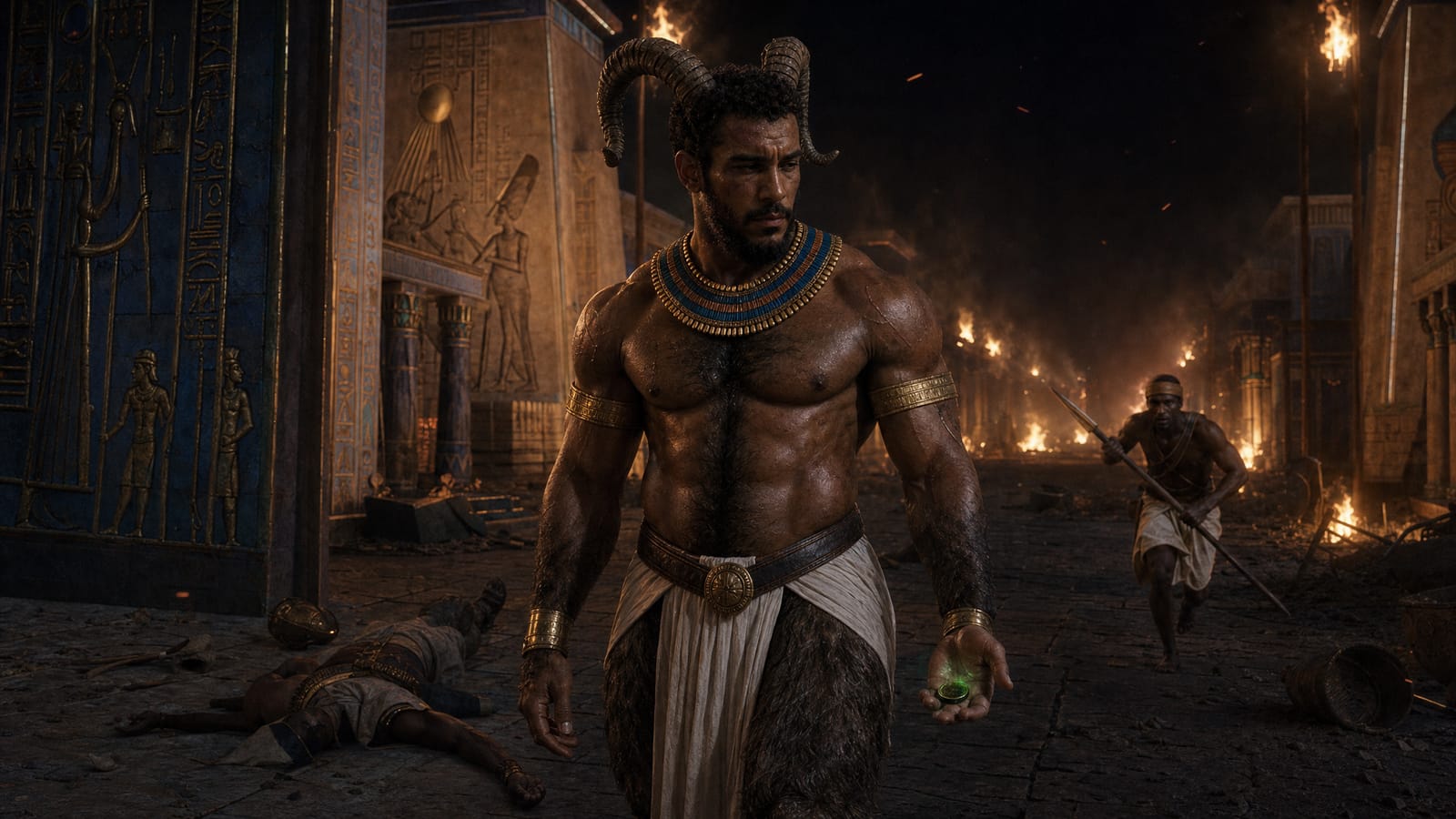
In his words
Six questions about a coin, a lifetime of lore, and what it really costs to make a film this way. The answers are his own.
Why was The Journey of the Coin the first film of the Universe?
I’ve been throwing around the idea of turning my book into a series. Exploit was an open vision in my head. I still think and feel it was inspired by God. A book is more tangible, something I can actually do. But I feel the truest telling of the story is on film. You see the characters, you relate to them, you feel them move at a pace, you’re invested in them.
My mother told me once that my first words weren’t “mom” or “dad”. They were letters: E-G-T. She didn’t quite understand it, and she wrote it down. Then when I was ten, I got the first vision of EGT. Whether or not that’s true, I don’t know, but I trust my mother, and I have a lot of faith that God can do these things. God can orchestrate one entire life.
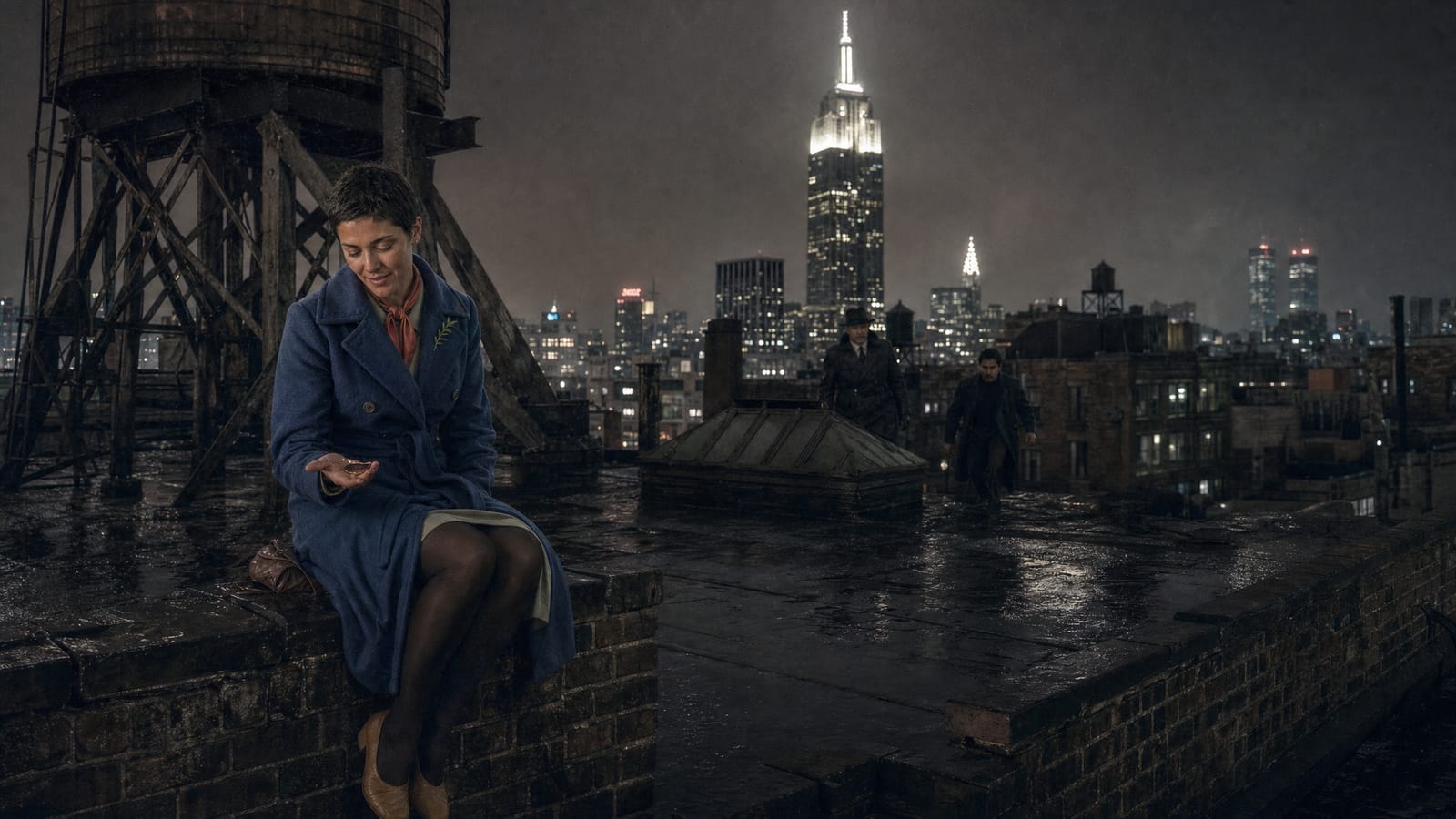
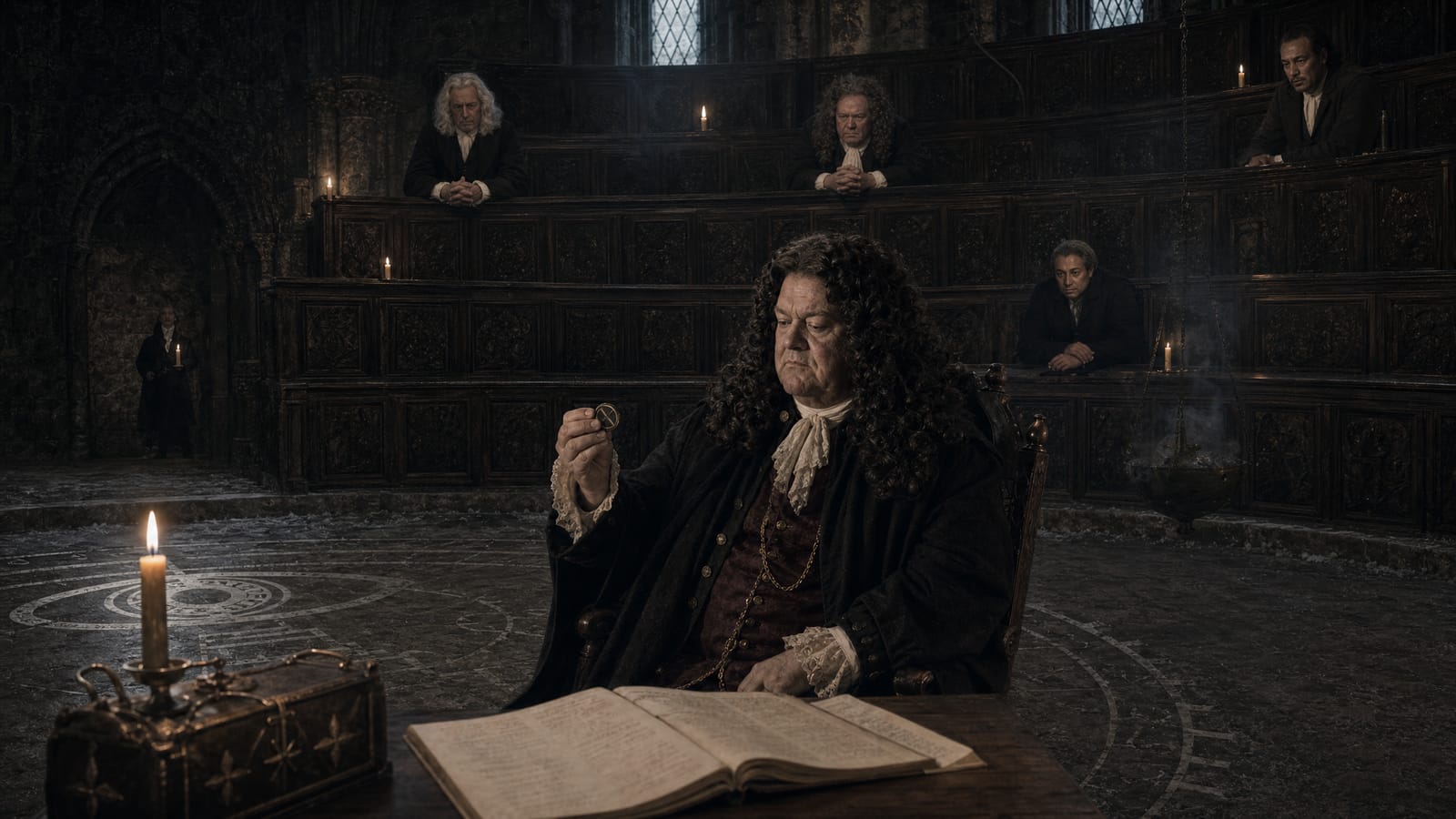
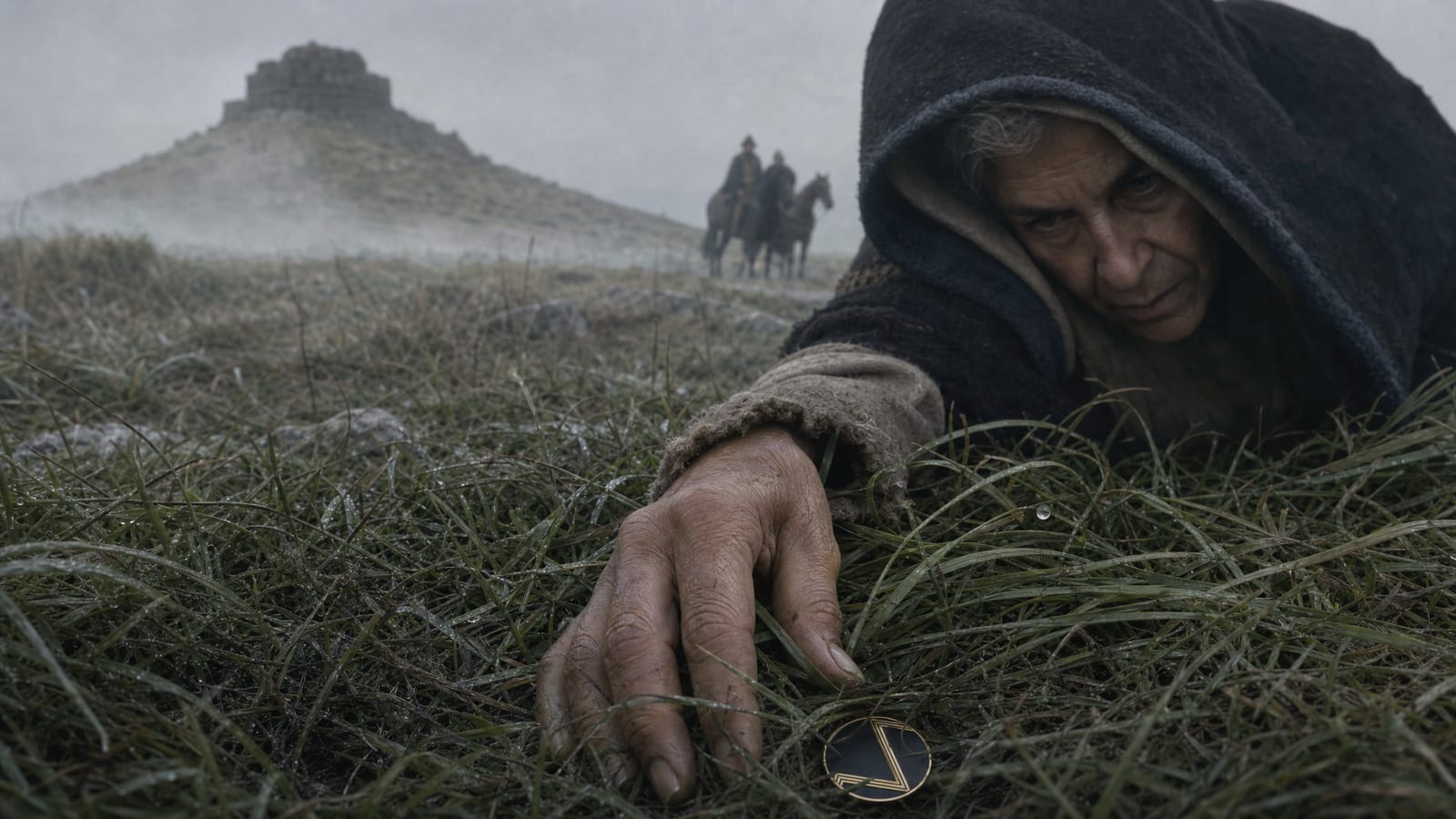
I know people are going to say choosing the coin is self-serving, because the coin is your logo. Well, the coin was invented first in the book, and then it became the logo. It’s that idea: a small token, something seemingly insignificant, that has such a profound impact on time and on life.
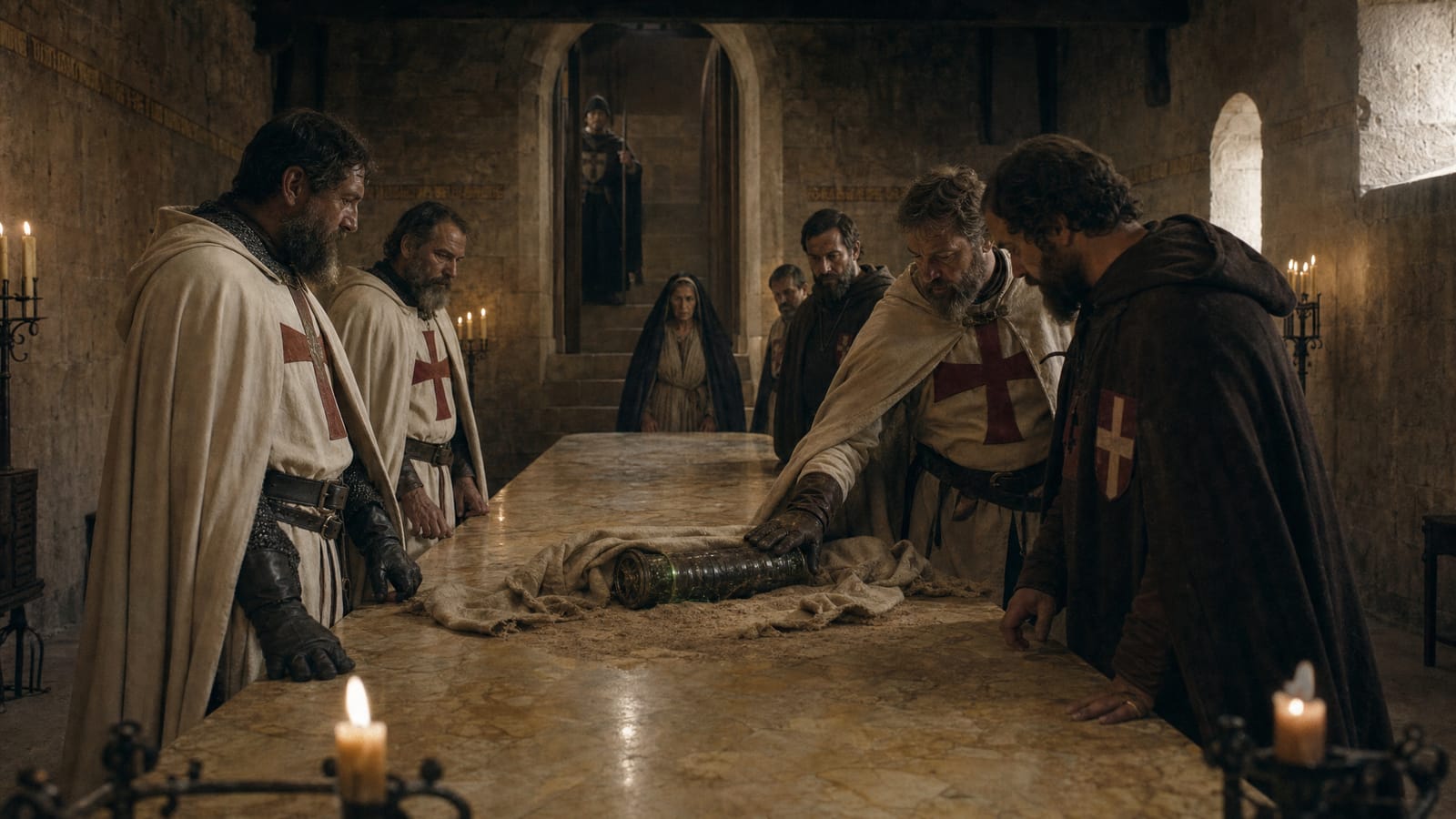
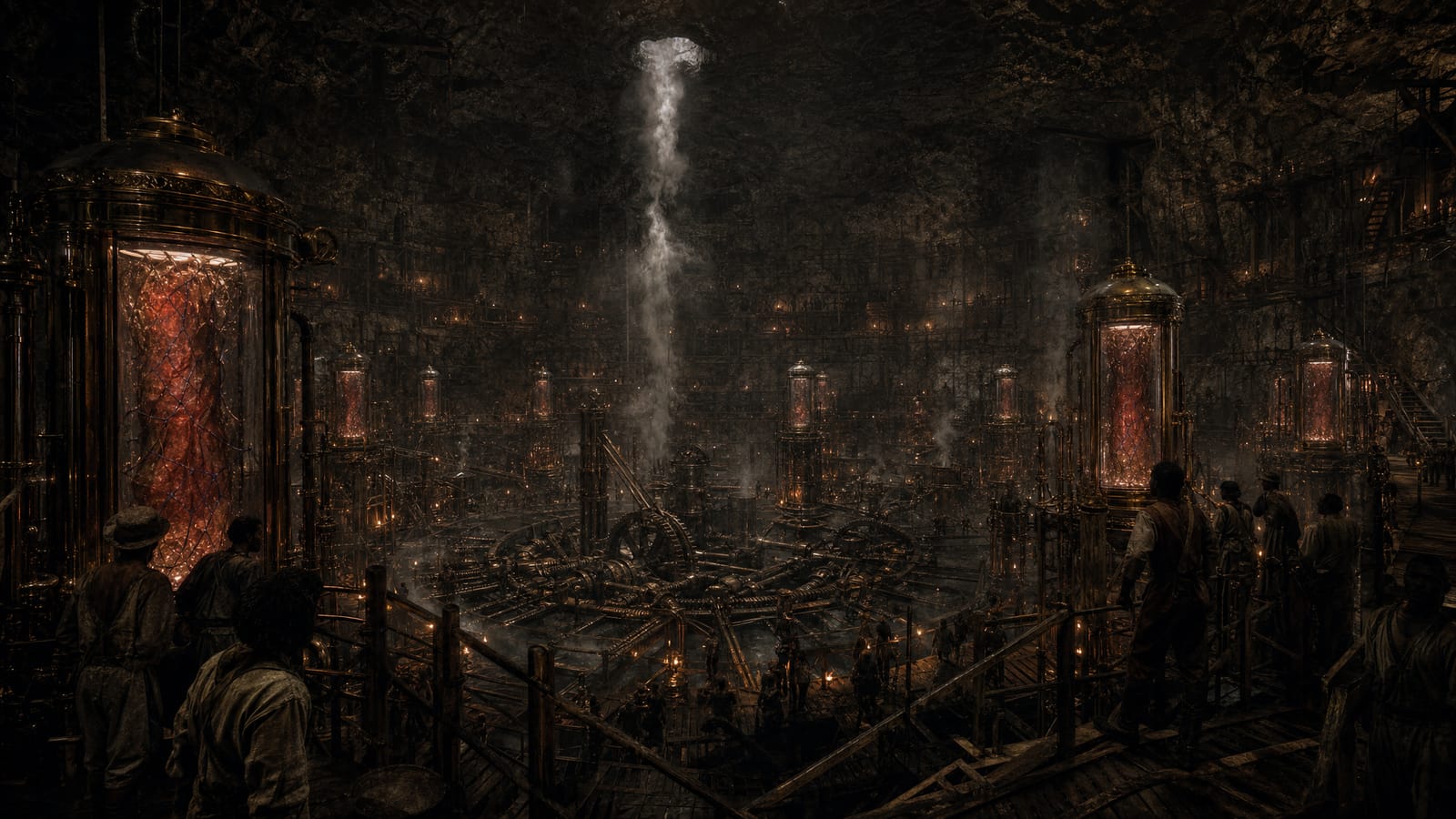
So this short film shares some of the lore that’s in the book. Some of these scenes are small paragraphs in the book, and this is giving them life. But it’s not the book. This is just the prelude.
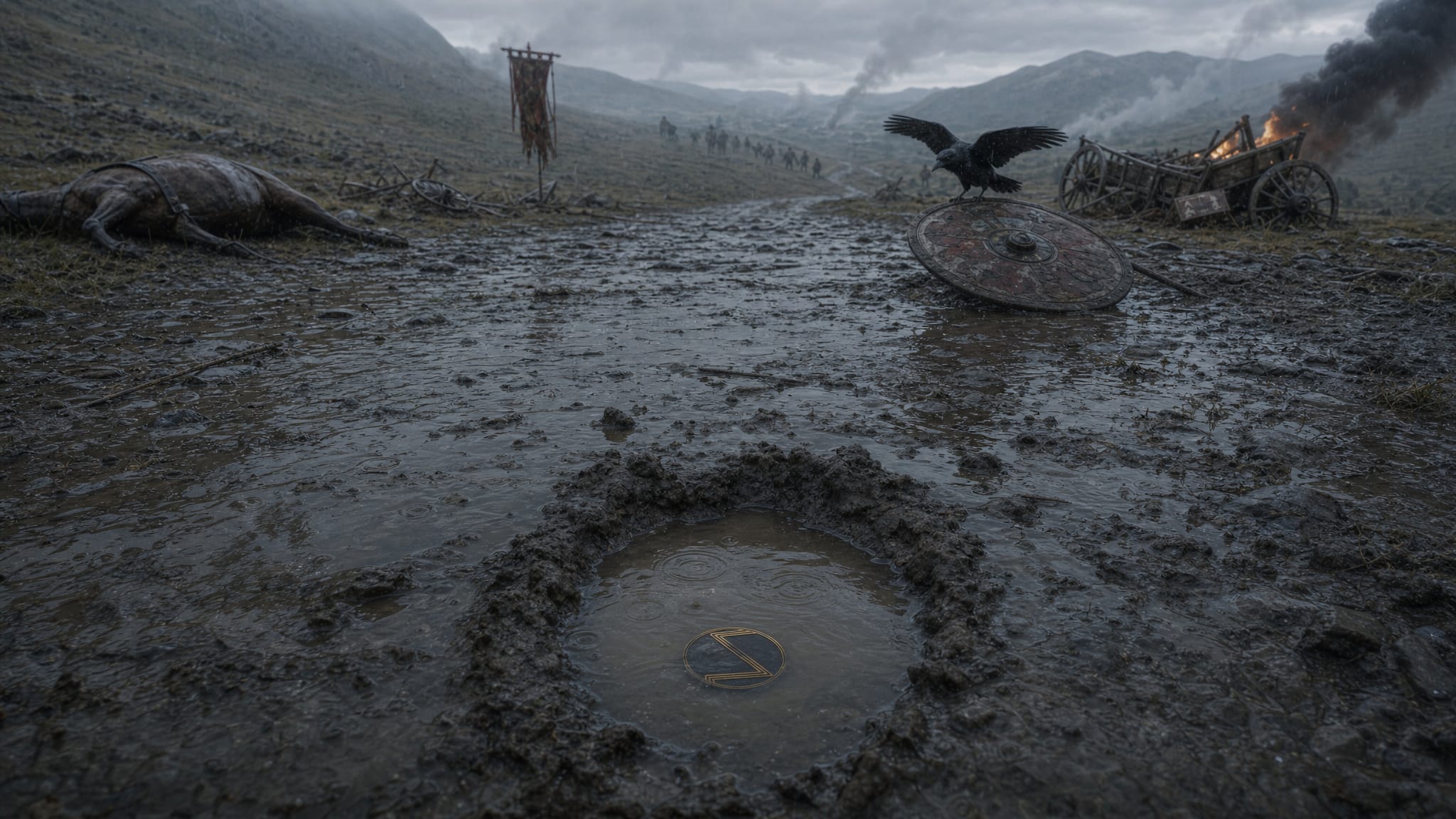
Which part almost broke you?
A lot of people think that with AI you enter a prompt, submit, and boom: here’s your instant music, your instant image, your instant film. What broke me is something I thought was going to take 24 hours. I’m spending hours trying to get it to do what I think is a simple thing. AI lets the dream come alive, but the dream still has a cost.
“AI lets the dream come alive, but the dream still has a cost.”
Justin K Kazmierczak
Finances are a real thing, especially where we are in the economy right now. It’s a question-mark economy. No one can price it. The tools let me make this without a crew budget.
I’m constantly on the phone, constantly on my laptop, constantly working. There are times I’ll be parked for hours in a fast-food parking lot, a gym parking lot, a gas station. Corrections after corrections after corrections. Fine tuning, crafting, honing, developing, and thinking.
Technology has always been my biggest hurdle. Before Apple Silicon, editing crashed my computer several times a day. This time it was the network share that wouldn’t cooperate. Things will crash. Things won’t work the way they did yesterday. There’s no perfect route. You keep going, and the persistence is what pulls you through.
Working with AI the invested way, putting human spirit into every frame, has a cost. Long nights, four hours of sleep, forgotten meals. I’ve cussed at Claude at 2 a.m. That’s not Claude’s fault; it’s the limits of the tools and the size of what I’m asking. There’s no magic wand. In my book magic has a cost too. But there’s an end to the tunnel, and you get there by going through it.
“There’s no magic wand. In my book magic has a cost too.”
Justin K Kazmierczak
In my experience, people are getting burned out by AI because they feel it’s a trick. They were told it would be faster and better, but it’s still the same amount of hard work as if you hired someone, because you’re still managing it. You’re still having to carry the vision.
When I was 14, I almost ended my life. I decided at that time that I’m not going to quit. It’s going to be tough, and it’s going to be hard, and it’s going to seem almost impossible. But I’m not going to stop. Quitting is not an option. I’m going to do this for the Lord.
When did you first watch something and think “that’s it”?
When we put the first storyboard together. I was like, “This is actually possible.” We had done extensive research on the best way to make these things, and I didn’t expect it to look this good.
I’d done two or three AI tests before. One used a scene from a pilot I registered a long time ago, and it was dreadful. Nothing was consistent. Seven months later I made a music video. It took 11 hours for four and a half minutes, manually editing, manually correcting. It got me sparked, but it was so far from what I wanted. That’s why I started building EGT Studio.
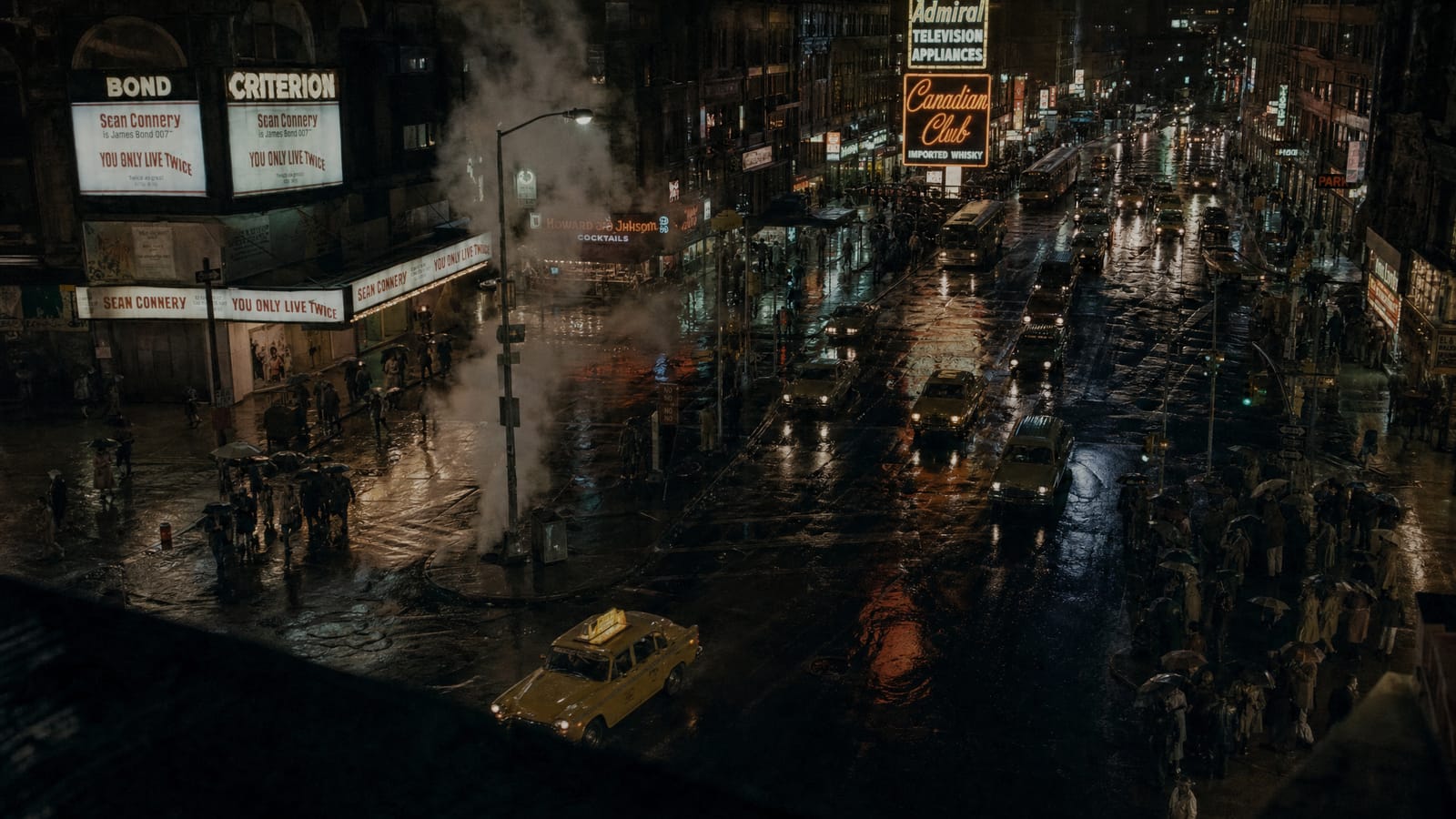
The first time I got the first cut, I AirPlayed it to the TV, on a color-calibrated screen. I was sitting there like, “This is not possible. This should not be possible.” I can compare it to an animation studio, without the animation-studio budget.
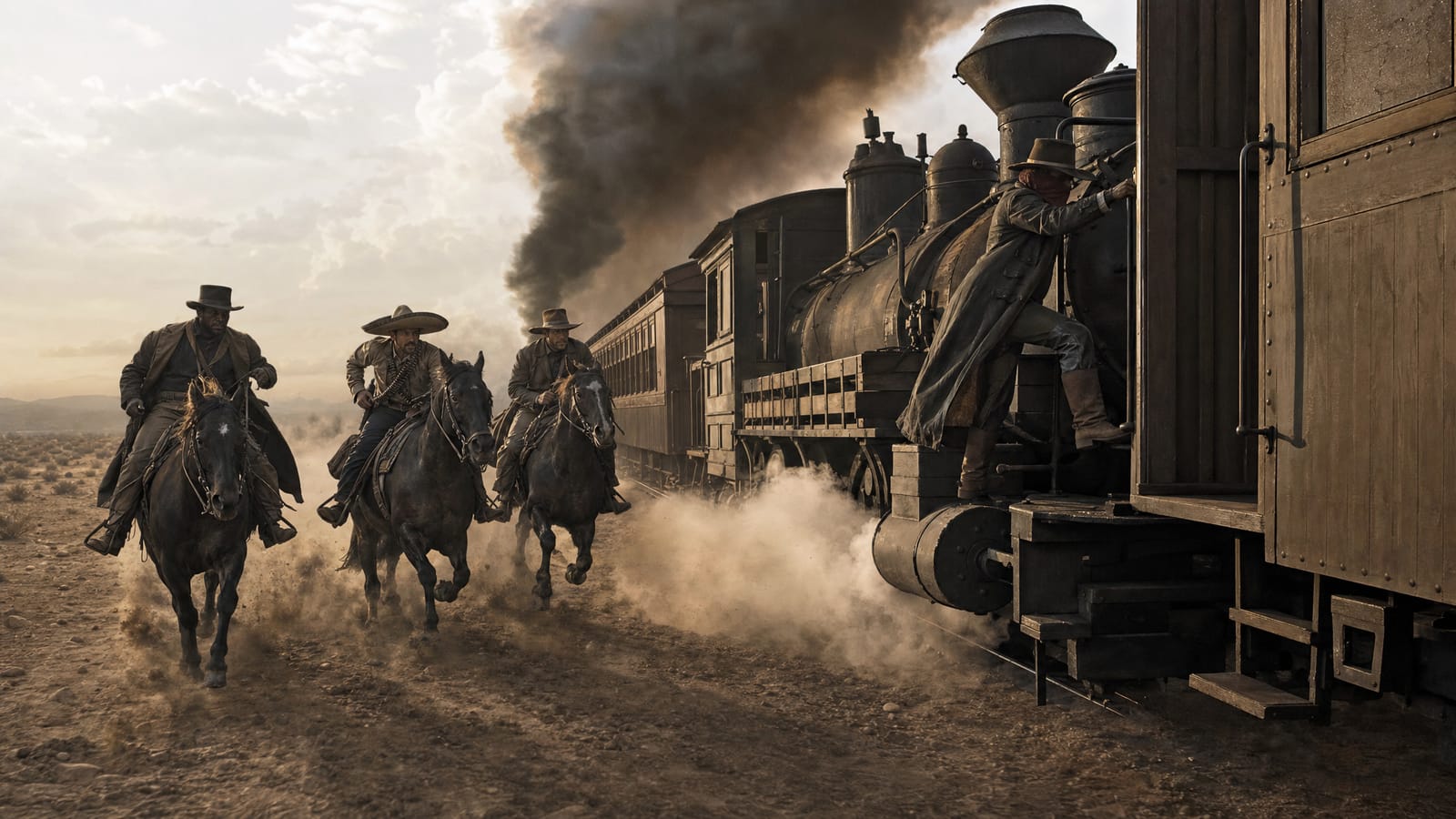
It’s not perfect. Some of the geometry, if you watch the way the wagon moves across the set, is not perfect. But I’m not letting perfect be the enemy of good. I do commercials for a living, so this is something I can really say I’m proud of, because it feels like me. It tells a story, and it’s a step in the right direction.
“I’m not letting perfect be the enemy of good.”
Justin K Kazmierczak
For people who think AI films are push-a-button: what did you do that the tools couldn’t?
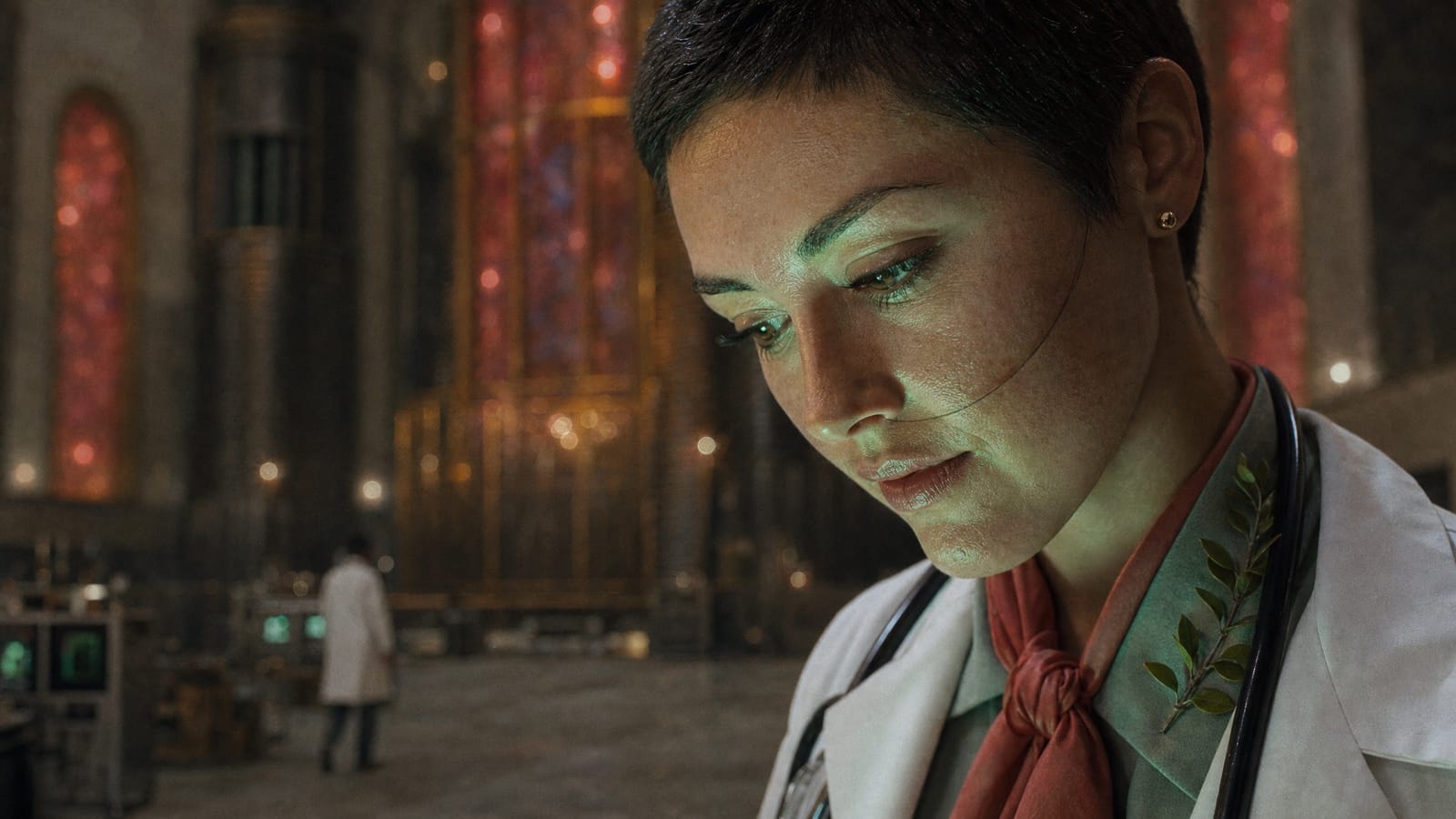
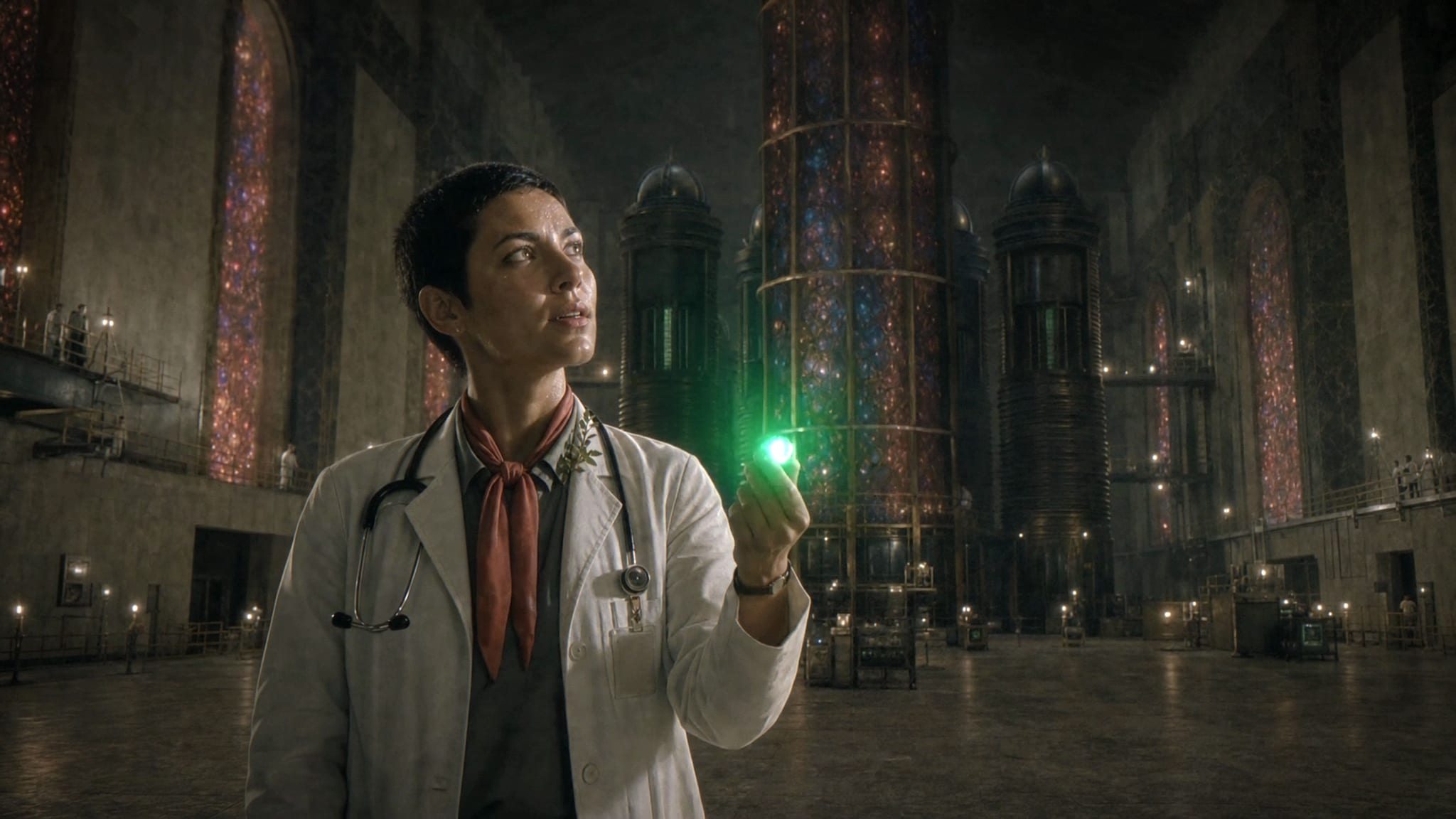
The world and the story come from lore I’ve been developing for 20 years. The agents help me keep continuity across the files, and sometimes they make assumptions. They’ll say, “Well, you can’t have this and this.” And I’m like, “Nope, that’s not true, because there was a creative option you couldn’t think of, that I know, because I’ve seen the lore.” I experience it as if I were the main character, whether it’s a film with Karros or a film with a female lead. I see the camera shots, but I experience the emotions.
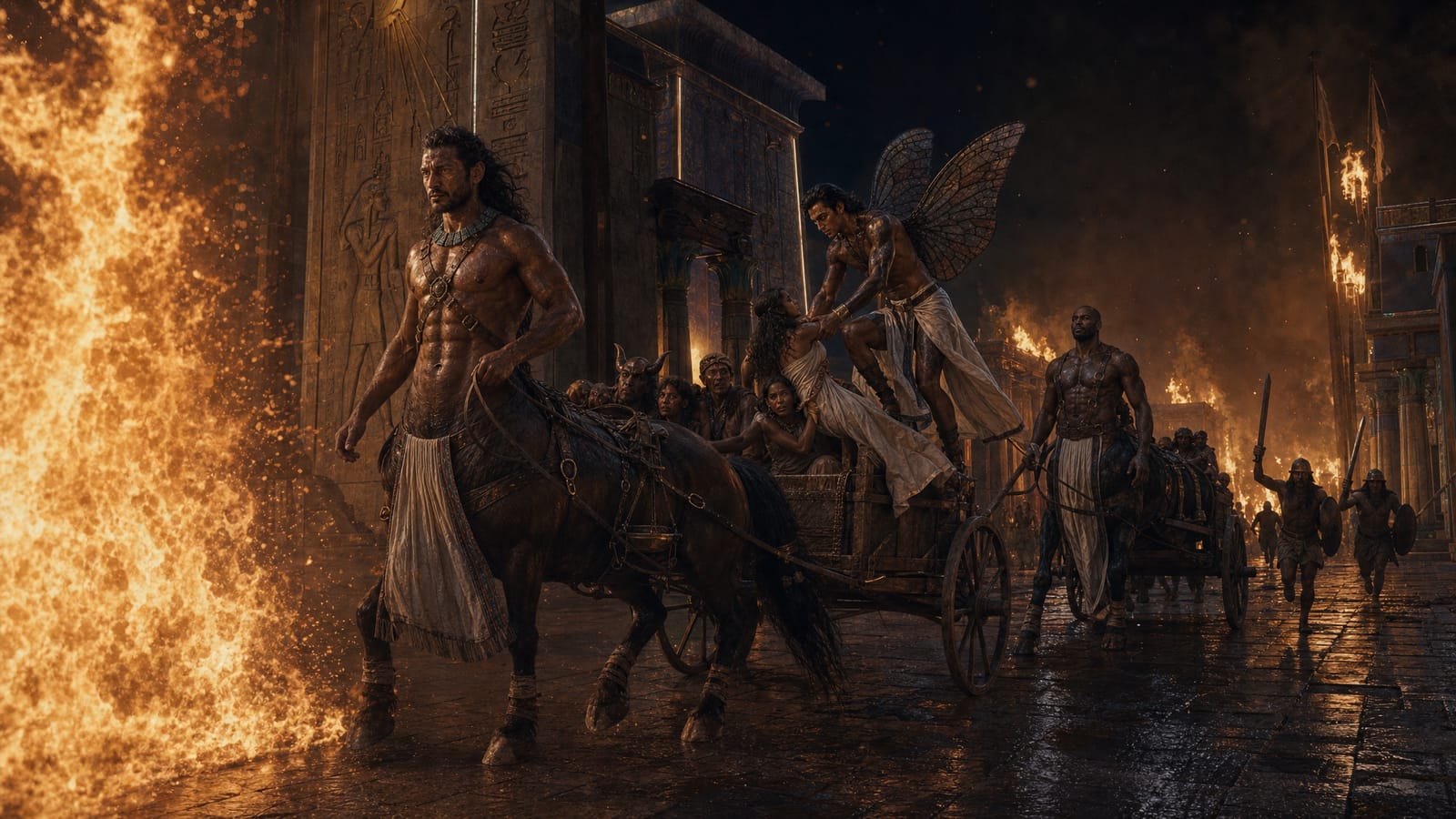
Originally I was like, “Let’s just have fun and see what happens,” and I gave up on that idea real fast. It was so hard to get the centaurs right. Sometimes you’ll see a horse head and a person at the same time. It’s as if I got a whole bunch of animators together and they went rogue, and you have to rein them in, and rein them in, and rein them in.
It’s like working with an art team, but having to take control every step of the way, because it can’t remember your preferences. You can’t be OK with the slip. In my experience, that’s how you get AI slop: you compromise your vision, because you say, “Oh, that’s so cool,” but it’s not right. If it doesn’t feel right in your heart, don’t keep it.
I color-graded everything. Film grain, adjustment layers, exposure that it couldn’t keep consistent. And I’ll probably get punched in the face for this, but I don’t think there’s ever going to be a time where I say, “Okay, here’s the story, here’s the script, push a button, give me the story.”
The soul is the spirit, and that breath comes from God. Could a machine be extraordinarily fast and brilliant, and create with the help of its human creator? Yes. But even AI needs a prompt to spark.
Why does the sound matter so much?
I tell my students this when I teach video editing and design: 60% of your experience watching a film is actually audio. The sound is where the emotion travels. If you turn off the picture and just listen, you feel it more than if you hit mute and watch.
“60% of your experience watching a film is actually audio.”
Justin K Kazmierczak
The machine did a first pass on the sound effects, and they were so bad I spent hours finding the right ones. I think I did triple the sound-effect work, removing and adding and finding the right ones. Generated audio doesn’t feel authentic to me. Even though the models are improving, the emotion isn’t there. So I did the sound myself.
What does doing it right look like?
There’s a lot to doing this right. Registering the work, crediting every sound, honoring each model’s commercial license, meeting sound and 4K standards, chasing HDR, following the law as it changes. I’m doing my best, and I’m not perfect. I’ll make mistakes, and I’d rather be honest about that.