

Create_ · Season 0 · Episode 1
Building Your Brand
21 Jan 2025 · 1 h 22 min
Why the hell should I care? Building a brand? Answer these questions. Why do you get up in the morning? Why does your brand exist? Why the hell should I care?
Chapters · 23
 0:00Intro to Podcast
 4:02Solving The Problem (still part of the intro)
 11:00The Purpose of The Podcast (The Why!)
 17:36Production Value: Content Over Production
 19:04Social Media - Dopamine Rant (You can skip this!)
 22:42Trust but Verify (Disclaimer - I don't know it all)
 23:56We all live in our own bubbles. Communication is a two way street.
 27:15Building the Brand. Loyalty.
 29:17Why? The main thing the main thing.
 30:33Simon Sinek
 31:45Wrapped around "Why"
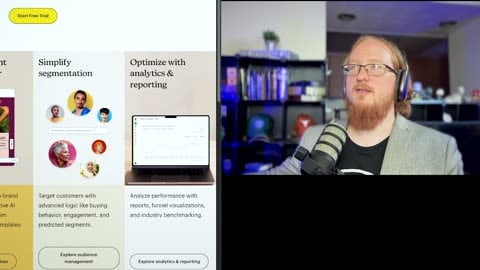 37:35Example 1: Sort of fails, but well designed
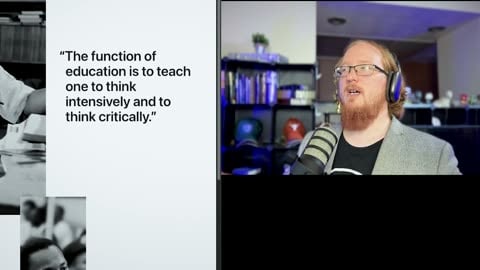 39:01Example 2: Apple
 47:45Brand/Marketing Pitfalls
 48:35It's about Emotions: Consumers ARE NOT logical
 51:56Brands are emotional constructs.
 56:31Apple Watch Example
 1:00:14It's Built on Experience
 1:03:00Pricing Psychology
 1:08:55How it relates to Ministry
 1:13:10Don't lose your purpose
 1:15:29My Purpose
 1:18:17Final Thoughts and Prayer
From the episode
Worth repeating
Word for word from the episode. Tap a time to play from that point.
“One of the pitfalls of anyone stepping into business is they think they got it because they get a little bit of people that agree with them.”
“So that feel marketing is not about transacting data. It helps, but marketing is about communicating a feeling.”
“So you don't build a brand, on a name, a person, an identity, you build it, on an emotion, on an idea, on a perception, a feeling.”
Show notes
In this episode
Why the hell should I care?
Building a brand? Answer these questions. Why do you get up in the morning? Why does your brand exist? Why the hell should I care?
In this debut episode, we challenge conventional perceptions and explore the deeper meaning of creativity—something we all possess. Join us as we dive into the idea that creativity is not just about artistic expression but building, problem-solving, and manifesting ideas through action.
I share some insights on how creativity is woven into our purpose and discuss the journey of building a brand from scratch. From understanding the true essence of branding - this episode offers practical advice for entrepreneurs, creators, and visionaries alike.
Tune in now and start your journey to creative success!
Resources
Simon Sinek's Ted Talk, I mentioned it in the video. It's an older recording. I choose it on purpose. https://www.youtube.com/watch?v=u4ZoJKF_VuA
Let's Connect
@jumpcutking on Instagram, X/Twitter, Facebook

Transcript
Full transcript
This transcript may contain errors. About 7,638 words.
0:00 What do you think about when you hear creativity? You probably assume you're talking about an artist's work or Hans Zimmer's cinematic orchestra playing one of the great well-known tracks of any cinema experience. Or perhaps you think more of someone who's contemplating the architecture of a beautiful building they're about to install that maybe integrates some nature and integrates a beautiful waterfall or it's built on the side of a cliff or something. Or perhaps you don't think like I do. I believe everybody has received a measure of creativity.
1:05 when God created everything from nothing, right, he also gave us that same ability. The only difference is instead of us thinking it and speaking it, does it manifest. But we, in combination of thinking, speaking, and using our hands, that creativity manifests itself. And so this entire podcast is all about building your perception of creativity. And you're going to find this a little weird, but I'm probably the most peculiar creative you've ever known. I don't mean peculiarism, crazy. Well, I'm pretty sure I'm a dose of crazy.
2:05 I actually code to help people be creative when it comes to the digital space. And not only can I do that, so I can code, and so I am a creative writer, and I can also do creative art, I can also do productions. And I'm a unique person. And I believe that is not the result of me, but the result of how God created me. And he gave me a unique, divine, custom-tailored purpose that only I can achieve. But he also gave you one.
3:10 writing we for corporations and newsletters and websites and stuff. And it's me. I'm going to be helping you build a brand and help you start your business. And we're going to also talk about not only the creative concepts of creating a business and building something from nothing. But we're also going to talk about the legal foundation, the components that nobody tells you. Taxes and S-corps and all sorts of things. And hopefully you can learn from some of my, I'm not going to call mistakes, but mishaps.
4:14 And it's more than just being like, well, I think people are going to use this because I want to use it. That's where I failed about 10, 15 years ago. But as opposed to, okay, there's something that I need to use, but I can't find it anywhere. And then I ask clients and they have the same experience. One of the greatest compliments I've received based off of the universe platform that God's given me and all these ideas and concepts is I walk into a client's place and, you know, sometimes it's consulting, sometimes other things, but we'll talk about the website development component.
5:17 which many creatives, you know get locked in and they feel like I can't take other people's opinions that I'm, my idea is this best idea. But according to Paul, we see things in part, that's a mirror darkly. We, we see only myopic vision. And the truth is, when you're being hired for something, you only see a little component and you can do a lot of research, but then there's a component on top of that, that I would consider is how the client runs their business, how the business functions, and then what their audience that they're targeting is.
6:20 This is cool. We want to go in more detail here. And that's all great, exciting stuff. And all these components that I've been working with, I want to eventually be able to deliver to the world as a whole, as part of this kind of new platform for you to release creatively. So you don't have to be bound by this long litany of technology that's required to build something that's epic. And I mean, I'm always discovering something new. I'm always discovering a component that I need to add or something that needs to be rebuilt.
7:23 those kinds of things. And I mean, clients have like 250 plugins and they're all in variations of updates. And sometimes they compete with each other and it's just terrible. Or you could be on a Squarespace or something from GoDaddy using a block editor, or I think they call it a grid editor. So either one of those two, and then you're, you, you make a change here and it destroys your design and you have to rebuild it. And I feel like when you jump into doing something, get an idea, a project, whether it's a mobile app or whether it's a podcast idea like this you'll find that you're, you're, you're wanting to figure out what that first part is and what the first thing to do.
8:24 don't have enough people, so they don't make enough money. And then, and then maybe it's a strategy podcast like this, where I give free information. And if you need help, you contact me because you know, I have the ability to help you and we've created a relationship. You get to know who I am. So kind of, instead of me holding up, okay, well, these are the thousand and one people I've worked with. I've worked with everyone in the kitchen sink and you know, you hire them and then they throw you to the wolves and they design something that you hate and doesn't match your brand, doesn't match you.
9:27 they had asked God for a king. And God was like, you want a king? He's going to take your daughters. He's going to take a property. You're going to own nothing. And you'd pay all, you know, and he warned them, but they're like, no, everyone else has one. And then they do it. And it's like, I have to be careful. I haven't preached or taught in a long time. And so doing this podcast is very healthy to me. And it not only does it going to accomplish the strategic goal, like I got notes here on the side here and, and I have three monitors.
10:29 but many of these principles I'm talking to you are going to be sound principles you can use in your business because they're not like attached to religiosity or theology or something, but they're fundamental principles that are encouraged and engaged through my Christian walk and through my experience and my personal walk with the Lord Jesus Christ and being led by the Holy Spirit and all that kind of stuff. But whether you're a Christian or not, you should listen to this podcast, subscribe.
11:32 nearly anything, mostly from a producer or a creative standpoint or less of a specific cinematographer or less of a specific, you know, audio engineer, less specific in that realm, but knowing enough to be looking at something and being like, okay, well, let's fix this. And we're going to stay here all night and we're going to get this done. And it's going to be great. And I'd be the one who stays all night because I, I connect with that. One of my flaws, if you will, is I see a problem.
12:32 Most importantly, as a minister, I want to see you succeed in the purposes and plans that God has for you. Whether you believe in God or not, God still has a plan and purpose for you. It's easier when you have faith and trust in God. And maybe I'll talk about that in this podcast. But whether you know God or choose to be an atheist or choose not to know God, however you, however you fall in that thing, you still have a unique purpose.
13:34 like, okay, I can muddle through and okay. And just like concepts like this, like this, like this, up until the point where now he's working with multiple, multiple APIs and building neural networks based on predicting and like extremely valuable to corporations. I don't know. I'm not allowed to say, but let's just say he works with oil. Um, so he, and it, and that's his God given purpose stability to analyze and understand things and pick up things and be able to ask the right questions for efficiencies.
14:36 of the universe, the Fibonacci sequence can be found everywhere. Like legit. It is my firm belief that God works on algorithms. Like we may build them, but God uses them. So, you know, you'll be on Instagram or my favorite is I'll be turning shuffle on, on my music library. I've selected the music library, but somehow God pulls out a song and it says something to my spirit. And I know he's speaking to me in that moment. Now I've also heard the still quiet voice of the Holy Spirit.
15:38 world. We can create our own reality. And that's the brilliance of this brain that God has given us. I use it a little bit differently than most people. Like when I dream, when I, you know, have a problem is I'll break it down in like movie dreams, if you will. And I'll seize different solutions and ideas and concepts playing out like it's a giant movie or a drama. And in fact, one of these days I am looking forward to releasing an entire universe of drama and things that shows people working through faith and trust in God and their surroundings and their people and going through outrageous circumstances.
16:42 every time I dream and God shares details, like the entire vision purpose of the universe didn't come from me. It came from God over a long period of time. When I was 10, I was about to end my life. God came to me, true story, heard, heard God, heard the voice of the Holy Spirit. And he showed me what the future was. And I know it's extraordinarily difficult to be in this world. It's extraordinarily difficult to do anything, whether it be creative or what have you.
17:47 stuck with that. But it's not terrible, right? Because it, it shows you, I have some knowledge and it's got some color in the background and it's dimly lit and it's blurred. So it's got some deck texture and stuff. I am going to try to keep the production value on this so that it's good quality and you can hear it and you can see it. And maybe I'll throw in some videos and clips and that kind of thing. But I am trying to keep the production quality, not quality, the production needs of this podcast down low.
18:51 resources, they'll be in comments or they'll be in the transcription. Feel free to pull that use clips of this. If you'd like, I just ask that you tag me. Usually I'm jump cut King on Instagram and Facebook. Don't even want to get started about TikTok. I've actually don't have one. And I'll give you a free nugget before we get into today's content is Instagram reels and TikToks are great for encouraging yourself, giving yourself a little bit of a boost. Sexual dopamine, and it's not really a good thing.
19:57 you find that you're more free to time because what happens is, is you get in this world, you're scrolling and it's literally a dopamine fix. So dopamine is a neurotransmitter that it's, it's, it's, it's a reward transmitter. And here's a interesting secret. Not only are we designed for a specific purpose, we're designed to, and I'm about to cuss, I'm so sorry. We're designed to work. Yes. Work. That is a four letter word that many people in my generation and the generation coming up after me and the one that had to deal with COVID is, is believes that, that work is this thing.
20:59 getting into, if that makes sense. And so I understand that half of it, the quiet quitting and the silent firing and all those kinds of things. I understand a component of that, but I also know there's a big part of the organization of people that just do not want to work. just that's all I'm going to say on that. Just, and it's, it's strange because, so you're on Instagram, you're on reels, you're on TikTok and you're scrolling, you're performing an action, right?
22:05 not a viewer. And this next podcast I'll do, maybe I'll change it a little bit and I'm going to talk exclusively about social media and the pitfall that we fall into as a society. And that is, you are not a member of the audience. You're not a member of the viewer. You're a product. You're literally a barcode. And that's actually, that's the fourth one. That's the data mining series data, not series, but anyway, and podcast I've titled you've been barcoded. Now I'm not going to know it all, but I'm hoping to give you enough information to start the research process and to ask the right questions. It's all I want to do. I don't want you to say, well, Justin said it, it must be true. Don't I, I worked for an executive I wouldn't call him a CFO,
23:09 CIO. It's a nonprofit. So it's kind of hard, but it's a job title it, but he was into numbers and data analysts and did operate the whole digital ministry for this nonprofit. And he, his motto was trust no one. But I believe trust, but verify I want to say the military Latin, but trust, but verify. So have a conversation with someone. And then if they give you some information and it, and it connects to your spirit and it feels good and it helps you and encourages you great, write it down.
24:10 to high school. And it was not prepared. I mean, anyway, so it was, it wasn't a great experience for me, but if I look back at that, I can learn that, you know, I thought everyone was this and they're not there. Everyone is just, they have their own personalities, own beliefs, own concepts and own ideologies that they formed. And they're different than mine. And that affects how you communicate with people, that affects how your brand is received to your audience. They're not you.
25:15 So try not to rabbit trail, trying to back it back up. Like I said, this has purpose. This is strategic communication component. It's free communication, free resources I'm giving to you. You can listen to this. Hopefully my voice sounds better with this wonderful mic. It is a very awesome mic. Oh, that's, that's terrible. That's crazy work. It's, it's actually a Rode PodMic. It's a hundred dollars as opposed to the SMB 77 or S whatever it is. And that was more but it sounds much better and it works for my voice.
26:16 forward lighting. I have backlight. It's the hair light. And then I have my, my background a little bit and you know, people can spend hours and hours on this. And I'm just trying to give you something that's a little bit more visually intriguing without it being perfect. Cause that takes a lot of time and a lot of effort. And this is not a studio, you know, this is a room that I've converted and anyone can do that for podcasts. And then that's all you should have to do.
27:24 word of mouth advertising. Okay. One of the worst ones is digital advertising. And we'll talk why later on this podcast or later on in this episode, but word of mouth advertising is one of the best ways to rapidly expand your businesses, your brands loyalty. And for any brand, it is the number one sure way to stay alive and consistent. Because if you get a customer base that's loyal and you treat them with the honor and respect that they have that, that loyalty and you treat them with loyalty in return, they're going to expand your bottom line. It's going to fluctuate as you have higher sales and lower sales, but you're going to have a loyalty base that you can work off of
28:26 that you can build. And that kind of sets your minimum tier when you're budgeting and be like, okay, I have a minimum loyalty base that I know they're going to buy the stuff. I know when they buy, I know how they buy, they have a monthly subscription or whatever it is. This is my loyal customer base. I can set my budgets off this fluctuations or, you know, using advanced algorithms and some neural networks to do predictive monitoring. And maybe I can plus or minus on that based on my retention, my loss, my growth, how previous years did.
29:36 You're like, what? What? Yeah. Why should I care? Why'd your customers care? Why are you a business? Why are you in business? And why shouldn't your customers care? Now, from a brand perspective, a brand can be a ethereal entity, such as a business or a trademark or a brand segmentation, like a department or a different line of business, or can be a person. Those are kind of more successful in recognition and building that because you see face and humans connect better with something that has eyes.
30:44 if it's editing, if it's strategic communication, or anything, I'll usually pull this clip. And it's from 2009. I'm going to link it into the bio. I don't think I can actually include in the podcast. But he in it, it's like this bad version, like he has different ones are better than this. But I use this because it has bad audio for like five, 10 minutes and teach them. Hey, good audio is important. That's why this connected to an interface, a very expensive interspace interface.
31:45 everything you do needs to be wrapped around why you do what you do. Some of this material is copying from Simon Sinek, because like I said, I told all my students this. And it's, it's fundamental. It's a fundamental marketing concept, but you wouldn't believe this. Your competition isn't doing it. I did while building The Universe platform. And when I released it for consulting work, and you know, I have this beautiful website, you know, where it shows you some stats and figures and things.
32:56 And why, to put it more bluntly, why the hell should I care? Retention right now for a website, social media, reels, is legit less than 10 seconds. I give it to you, four seconds. If your website can retain someone for more than four seconds, you're, you're at least getting their attention, whether it's aesthetically pleasing, which is a direction some marketers go in, whether it's has the products or services they're looking for, or it has the information they want to read. Now, believe it or not, there is a reason why when you go to a bunch of websites, and it's like a terrible marketing website.
34:00 designed that way. Because if you're marketing a component, whatever it is, widget, service, product, whatever have you, and a customer wants to do it, but they're dissuaded by price, or they don't know you, or something, you give them all this information, then they can, you can start kind of turning that their inner wheels in their brain and have them perceive your product or service is better than it is, just based off of reading. Like legit, you don't have to have a good looking website.
35:01 and you can funnel them through this process. And they'll describe the process to you and blah. And it, and at the end of the day, it's seems a little fraudulent, spammy, and it just seems that way. Just, it just seems a little off, right? But they design their marketing concepts, they design their website, they design these newsletter experiences, design all of these things, use web, but in a whole nine yards exclusively to convince you that you need their product. But they do it by answering the number one concern anyone who starts a business has.
36:05 things that Apple designed is center stage. And believe it or not, you do not need a professional camera. You just need good audio, because the sensor behind that camera is more sophisticated than most cameras. Not saying it's better looking because the glass on it's kind of, but the dual exposure component, that's like top tier. I don't need an indie filter. I can just go out there and I can shoot an entire wedding. It's outside with this camera better than I could any camera.
37:07 these kinds of features without having to have a cinematographer, without having to have an audio engineer. I'm listening to my podcast mic through this. Now it is delayed and it kind of throws me off a little bit. But I can hear it and I know if I'm popping or if I'm way too loud or if I'm too quiet. That's crazy. Okay. So let's look at Mailchimp here. This is, you know, a turnkey email SMS or, you know, system, right? This is your, it's not quite a contact management system, but it's close, right?
38:09 gorgeous. Oh, oh. And we integrate with the stuff that you might use. Okay. Okay, great. This is actually one of the things I hate. Most small businesses spend two to $5,000 a month on random software. They don't need, and they don't integrate with each other. They're all very bad components. And I can't wait to release The Universe platform. Spoiler alert. And so, oh, look, you got, you got, you got pages of disclaimer. Okay. So that's Mailchimp, right? Now they're showing the product.
39:18 It's, you know, it's creative, brilliant. And their marketing team chose this, chose to do this. Now, believe it or not, Apple does not make decisions just because they love something. They make decisions based off numbers, what works, and they have a world-class marketing team. Now, their marketing team is multiple fold. They have multiple marketing companies that they partner with just like most high-level corporations, but everything they do is clean, crisp, and it looks visually stunning, right? But they chose this particular thing on their homepage here to tell a story.
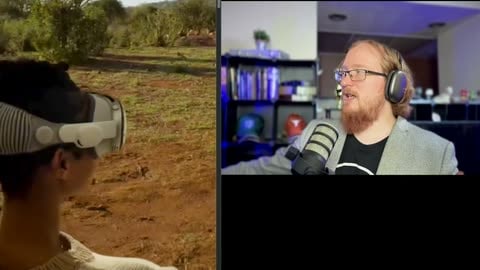
40:24 Part of Apple's strategy and the why they exist is because they want to challenge the status quo, challenge everything. This, these quotes promote that experience. They create loyal, and I mean extremely loyal fanboys, Apple Watch, iPhone, Mac, AirPods, Macs, because when I buy an Apple product and it changes, challenges the status quo, I feel inexperience. I have an emotional, not quite a spiritual connection, but an emotional connection with this device and this experience created right there through Apple's website. And if I do anything like go ahead and go to the Vision Pro here and
41:28 this, oh, they changed the homepage. Let's go past here. Okay. So, you know, they, they're trying to show you this immersive experience, right? This is, this is the immersive experience that they're trying to promote to you. And what they're advertising to you is an experience. Okay. And if you watch the keynote, you know, they said how they combined all of this stuff together and they had over a thousand patents or something like that, it was some huge number. And what they're doing is they're challenging the status quo.
42:28 headset. You can't call it a virtual headset. It's not. It's Apple Vision Pro. You don't need your normal eyes. You have our eyes. I don't know. But they, their entire marketing strategy is to tell people we challenge the status quo. We believe in building the synergy between hardware and software. We don't believe there are two separate components. We believe they're intertwined. We believe that we just happen to make great devices. You want to buy one? And yes, most people buy them.
43:35 does not provide. Now, Apple has added some customization back, but some of it they've pulled back on intentionally because it helps kind of put boundaries on your experience so that they can better not control your experience, but focus on key components in your experience. You feel this seamless integration between the hardware software and now the AI, and you have this better feeling, this better experience. And so, you know, here's your Apple Vision Pro, and they're showing all that kind of stuff, and they're showing you what seems impossible to most people.
44:39 is I couldn't figure out a use case. I'm like, I like the, I have three screens here for actually four screens. I have a giant TV preview right there. I have a vertical screen, which you saw. And then I have this monitor here, and then my laptop screen. And that condenses my work flow. I would love nothing better to put glasses on, get rid of all my screens, save some space, and be able to experience in augmented reality, as they call it spatial computing, and to experience that kind of to me, it seems more natural.
45:41 is not a natural experience. Plus, I have to do lots of things, thinking. I have to be like, okay, it's the back, but now I'm going to go home, and I'm going to double tap it for the app, and I can just go, oh, look, there's the app as I was at. Or I can just go all the way back, and there's my homepage. Does that mean that's natural? And an augmented reality, a spatial computing, as built by Apple, is natural.
46:46 in the line you're focused on are crisp. Everything else starts blurring, and it's like, I can't use this for my use case scenario. But there are other people who are challenging it and building this, and the competitors that are jumping on and building this thing, this thing. I don't have a desire to do that. I will say, I did buy a Meta Quest. It was Apple Vision's fault. I was like, that's cheaper, and I need to understand this technology and be able to experience it and be able to build the experiences for clients.
47:51 marketing that you're seeing here, you know, here's the experience. We're showing the reason why you should buy this. It's a little bit different than the Mailchimp, which is showing you kind of the numbers and that kind of thing. Like, so the biggest difference with marketing strategies, when you're building a brand, and when you're deciding on how to do it, many marketers will fall into this pitfall. We do a thousand and one transactions a day. We have, we're 20 times faster. We're this, that, and the other thing.
48:53 component that says something feels right or doesn't feel right. The biggest difference is if, if I take an Android phone and I try to experiment, like I have a test phone when I'm building a platform, I, you know, test all these devices, open up the Android and just, it doesn't feel right to me. It doesn't, but I grab a new iPhone and it feels right. Now, some of that is marketing programming, if you will. Sounds, sounds weird, but I have this connection to the Apple experience.
49:56 I didn't have a machine that was crashing every six to eight hours when I was editing. I bought it myself. I, at the time, worked for an organization. They tried to get them done by it. I'm like, no, we don't think it's going to help. I bought it. And my, for lack of a better word, experience in living amplified. And that's the big thing. See, when you change, challenge the status quo, right? It's Apple's thing. You challenge status quo. You have to look at something objectively and say, how does it make people feel?
51:01 questions and, you know, how do you feel about this? I ask all questions when I'm in the client meeting and, and I'm trying to decide, okay, what's the best approach? Because I may say from a numbers perspective, do X, Y, and Z. But the reality is if you feel X, Y, and Z is too complicated, then I'm going to build something that makes it easier for you. So I deliver it to you and your response is, I'm happy. I enjoy it.
52:08 this real thing, you need to toss that aside. Okay. A brand is something that someone feels nice and experiences, for lack of a better word, not spiritually, but ethereally. Like it's, it's, it's not a physical thing I can't go to. I can go to a Nike store, but when I see that check, I get that feeling that I'm just going to do it. It's an athletic component. People are, are striving to be their best. And I see that swoosh. I also see their price. So but their identity is found by the people that back them. So there are some great documentaries that you can watch and some remake films that you can watch that talk about building brands and things. And Nike and all
53:09 these shoe companies started to get athletes such as Michael Jordan and all that and signed them on and they'd wear the shoe and they'd, sometimes they didn't pay for like the penalty because you're supposed to have specific, like you're not, the shoe isn't supposed to be the focal point of the basketball experience, the, the game it's. So they pay the fines, right? But then they showcase, you know, this new bold design and, you know, they choose the right person. And then you're feeling, if I go buy the shoe, I'm going to feel like a Michael Jordan.
54:14 what's resonating, you're going to hit the subscribe button, or maybe you'll give it a second chance and you'll listen to the next episode and you'll listen to this one. And then eventually it becomes part of your daily routine. The reality is marketers who want to say, here's my data, here's my facts, here's my figures are appealing to the logical component of a brain, but consumers don't have logic. Here's an interesting thing. I have a client who sells merchandise. Okay. A consultant walked in, did some review, did some crunching numbers and discovered that this person is not to ever put anything on discount. You're like, what? If it's on discount, they should buy it. But the type of customers that should be walking in the door get turned off
55:15 by discounts. You're like, that doesn't make no sense. You're saving money. They don't want to save money. They want to feel the experience of whatever it is. And I can't give too much details because all of my clients sign NDAs also don't recommend that depending on your business. Okay. We'll talk more about that later. Just because it works for me, does not make this work for you. So let's talk more about the kind of brands you probably resonate with. So an international brand like Victoria's Secrets, Apple, Louis Vuitton, they're based on a sound principle.
56:21 complete things. And my end of life experience or end of life experience, that's crazy. My life, my daily life cycle experience is happier. Here's an example. iPhone, right? iPhone notifications. Notifications. Notifications on phones in general, general give me anxiety because 90% of the time I feel like someone important must grab my phone immediately, open up my phone, scroll the phone, click on the notification, respond text message. And my level of stress has like tripled by the time I picked up my phone and had to do the extra.
57:28 watch. I have been less stressed. I have been like, you just don't understand. Okay. He says, notifications come in. I just do this. And I feel like I can ignore the notification or I can respond to the notification very easily. I don't have to go reach for my phone, reach for something, pick something up and be like, okay, now I have to text, call and figure it out. Use face ID, type in my lock pin, you know, whatever it is. I get an Apple watch.
58:36 Apple watch. You know, you watch the specs and you're like, eh, that's okay. And it had the word ultra in it and I don't dive and I have no reason for it. But my credit card said, buy me. And so it's because it's the experience because I got a phone. It's smart. It does a lot of things. It's virtually a computer in my hand. And now I have a computer on my wrist and the sole goal for this is to decrease my stress levels.
59:39 No offense to Samsung. Some, they might, yeah, I use one of their Androids. It's just not for me. Why? Because I had a certain experience with Android. And then I moved from Android to iPhone because the Android I had at the time was crashy, glitchy, and had issues. We're talking about like the original Google phone, like the original, original before it was Droid or whatever it is. And I switched to iPhone and it was like night and day difference. It doesn't crash when I make a phone call, a phone that don't crash.
1:00:39 Dave released a video or two on some other sites and you're following them, not talking, saying I do it. This is just the basic psychology of a consumer. It's emotion. It has nothing to do with logic. Now in strategic communication, you can transact through a peripheral route or a secondary route and an indirect route. Like there are two of these routes, an indirect and direct route. The direct route is you have a feeling, you get sparked. Great. You're listening to me.
1:01:44 a purpose for existing. And that purpose is to tell a story. That purpose is to do more than just sell product. Okay. The biggest warning cautionary thing I can say, do not build a brand with the purpose of selling a product. Okay. That's what you need to do. But sell that experience. Sell that why? Why should I get that product? Why should I pay an absurd amount of money for something that has the Supreme logo on it? Well, they build that experience, that exclusivity.
1:02:53 they open up your website, they open up the app and they're like, okay, but you establish that experience. Whether it's luxury, whether you're problem solving or better yet, you're doing the best thing better. Quality of life changes. If I can change your quality of life when it comes to your website, when it comes to whatever it is I do, you're going to come back because you're going to have that experience that you can trust me, that you can value my opinion.
1:04:03 a... Oh, great. One thing I hate about Photoshop is the color picker always tends to be on the last monitor you used. And if you're using multiple monitors, it'll look like it's disappearing, but it's not. Okay. So this is how marketers tell you not to write a number because that looks like a big number. It does. It legit gives people fear. Psychologically speaking, it looks like I'm spending a whole lot of money. In fact, if I just do this, right? Now, from a psychology standpoint, I don't think I'm spending a lot of money. I don't get that fear. Oh, it's only $19 and 99 cents. Technically it's 20 bucks. We just minused a
1:05:07 cent. So you think you're only spending $19. That's why 9.99 exists because you feel like you're only spending $19. That's why if you look at a gas station, it's like $3 and 19 cents with a 9. Small little 9 on top. It looks something like this, right? So 3, 14, 9. It's really $3.15. They're giving you, it's like, I don't know what that is. That's not even half a cent, but it's like, it's a full cent minus a little bit. And you feel like you're saving money. Something down the corner, if it said $3.15, didn't have that 9, you'd go to the $3.14. $3.15. But you're not really saving money. It's the psychology, the feeling that I'm saving
1:06:14 money, when in reality, I'm not. Boom. If you see a sticker that's this price, you're probably going to not hate yourself, but you're going to be like, oh my God, that's a lot of money. They don't do this in America. Does that look like a lot of money to you? No. Or best yet, this is my favorite thing. And this is, this is abusing numbers and facts and figures, right? So I'm going to lower this. Okay. Here's my data sheet, right? And that's going to say something like save on fuel, right? And it's like, boom, right there. Right. And the, then it's like the, it's like the, you know, save or it's, you know, 32 miles
1:07:19 or 42 miles per gallon. Right. So here we go. And we've all seen these because we've, if you haven't bought in a car, this is how it is. Right. The big numbers up top. Here's the one that I want you to see. They don't, they don't want you to care about anything else. Miles per gallon. Now it's just written the other way, but the font isn't cooperating. Right. So miles per gallon, right. But what they don't tell you in small print in here, they'll hide it.
1:08:23 don't break ever, you'll get 42 miles to the gallon. When you're really buying a 32,000 vehicle that goes 23 miles per gallon and your fuel consumption is going to be double that of your person in. Okay. So that's, that's the whole thing of experience. It's a psychology of pricing. There's a psychology behind building a brand. You can build a great brand. You can build a loyal brand. You can build an honest brand, but you can't build a brand on facts and figures alone.
1:09:30 whoever may believe on him may have eternal life. AKA we believe that you believe in Jesus Christ. You choose Jesus. You begin living for him. There's some other processes that are important. There's salvation is a conversion process. So we're skipping, but we're boiling it down a little bit that you'll, you'll make it to heaven as opposed to a place we call hell, eternal damnation. There's not much known as the specifics, but the Bible is, you know, tells you that it's a painful place to be and you're separated from God.
1:10:30 that every person needs to make the choice to serve Jesus or not. It's their choice. But I'm going to come to you. I'm going to share you that choice. This is the reason why I exist. Okay. Some ministries choose to not make that their reason. Traditionally, a ministry that makes that a reason will have threefold. They'll get people saved. They'll do outreaches, that kind of thing. This is their vision. Get people saved. Train them. And then send them out to complete their God-given purpose.
1:11:36 during back to school, or whatever it is. You're reaching the homeless, right? And in that, you're telling them the message. You're transacting the message that Jesus Christ loved you so much that he died for you. That in itself is a powerful emotional connection. Okay? Now, that's also a spiritual connection, in my opinion. I believe that you're a [inaudible] being. You've got a physical body, which is operated by a mind, which is connected to your spirit. Also, don't tap the mic. That's terrible.
1:12:39 But, as a Christian, we have a very powerful emotional motivator. Okay? Great churches are built, great ministries are built on the emotional connection that Jesus Christ died for you, chose you, died for you, and then God the Father rose him from the dead. Equally powerful. And one day, you can live your life in eternity. But there are a lot of people that fall into the motions of ministry. There are a lot of churches that, oh, we have Church Sunday, we have Potluck Dinner, we have Outreach, we have these things. And they lose, over time, their reason. One of the most important,
1:13:41 important parts of marketing, whether it's a brand, or whether it's you as a person, whether it's you as a ministry, you as a business, is discovering what that why is, that passion, that thing that gets you up in the morning, and then keeping it, and not letting the mundaneness, the everyday, remove that reason why. You get blasé, you get, you just, your eyes glaze over, so to speak, and the passion is stripped out, and you lose your purpose. Every great business that thrived, and then did not thrive, well, could be attributed to natural disasters, and things of that nature, is generally, outside of that, it's because they lost their purpose, that drive. So you don't build a brand,
1:14:41 on a name, a person, an identity, you build it, on an emotion, on an idea, on a perception, a feeling. Okay? Does that make sense? I hope that helps, because there are a lot of brands, Instagram, what have you, people who are starting afresh, they're like, here's my brand, here's my product, buy it. And, you have a sea, countless, millions of other products, millions of other people, doing the exact same thing, exact same kind of marketing, and the only thing, that's going to make you stand out, from them, is your purpose, and transacting that story, telling that story. Like my purpose, my personal purpose, on being, outside of, the EGT Universe, and the things that God has called me to do,
1:15:43 my personal, reason for getting up in the morning, is because I know you have a purpose, I know you have a destiny, something God has called you to accomplish, and only you can do it, and guess what? I can help. That's it. Everything I do, is God's got a custom-tailored purpose for it. I want you to find that purpose, I want you to walk in that purpose, and I want you to live, how God called you to live, how God's formed you, because you will not only be most fulfilled, but you'll have that reason, to why I get up in the morning, and why should no one care? It's very easy for us, from a spiritual perspective, and if you're not a Christian, okay, you can pause this part of the podcast, and all podcasts,
1:16:44 with some ministry, something that we can connect to, something that glorifies God, and edifies you. So, I want to skip this part, it's up to you. I say you shouldn't. When we were created, imagine your day, in the ability, and likeness of God, we were endowed with certain abilities. We can physically interact in the world, we have the ability to comprehend, vast amounts of facts, figures, and your imagination can expand, and your ability to create worlds in your mind. And then you have a spirit. And your spirit is the most essential component, because it enables and activates, God's gift to you, the creativity, whether you're an engineer, whether you're an artist, whether you're an administrator,
1:17:45 whatever it is, there's a creative power in you, the ability to create something out of nothing, that you use your hands for. When you go into a job, or a career, and you start building your life, and you start doing things, you lose, sometimes lose that passion, or you misconnect that passion. You think that passion requires you to be out on your own, or start your own business, or start your own ministry, or do your, but you need to discover what that purpose is.
1:18:47 but maybe it's grown cold. Maybe it died, and it needs a spark of life, and it needs resurrected. Just like Jesus Christ was resurrected, that purpose needs resurrected. So I pray right now, in the mighty name of Jesus Christ, that you not only find your purpose, but you get inspired again. That spark of life jumps in you, and as you begin to build, and create, and use that creative ability, whether it's building a brand, or however it is, that you feel renewed.
1:19:48 that you be at peace, in all that you do. That God shines his countenance upon you. He gives you grace and mercy. Double grace, double favor, in everything you do. In Jesus name I pray, amen. A little bit about me, before we close, I'm Justin Kazmierczak. You can call me whatever you want. Some people call me the JumpCutKing. But it's not as important, who I am. Again, that's a what. And it's not important, how I'm making this happen. That's a how.
1:20:48 that you can live and accomplish the goals that God has given you, inspired you, that you can find that reason. And not only find it, but live in it. And you'll find that regardless how much you make, how many people you meet, how many goals the physical world can create, you'll be fulfilled because you're accomplishing the purpose and the vision that God has for you. I'm Justin Kazmierczak. It's been a pleasure. I'm president and founder of EGT Universe, the EGT Universe, EGT. Feel free to look us up, EGT Universe.com. Follow my social media, JumpCutKing. Share this podcast. Don't know if I'm saying 9,000 other things, but be at peace. Pursue that purpose. Brand is not about
1:21:50 what you do or how you do it, but it's about why.