

Create_ · Season 0 · Episode 3
The Psychology of Marketing
10 Feb 2025 · 38 min
Ever wonder why it's so easy to play your mind like a fiddle? That cunning whisper in the dark, a siren of subterfuge, the guide into the seductive labyrinth. Enter a realm where every word is a trick, and every promise hides a price. I am the secret recipe that con artists—and top advertisers—use to control your desires. Ready to dance with deception? Unlock the dark elegance of influence—the trickster of illusion. I'm the art, the voice behind the marketer's handbook. I am the Psychology behind Marketing.
From the episode
Worth repeating
Word for word from the episode. Tap a time to play from that point.
“Customers are not logical. They don't care what you do. They don't care how you do it. They care why.”
“So loss aversion is if you focus on avoiding loss, you're not focused on your gains.”
“The sense of smell is the number one underutilized sense that can leave a lasting impression with your customer”
Show notes
In this episode
Ever wonder why it's so easy to play your mind like a fiddle? That cunning whisper in the dark, a siren of subterfuge, the guide into the seductive labyrinth. Enter a realm where every word is a trick, and every promise hides a price. I am the secret recipe that con artists—and top advertisers—use to control your desires. Ready to dance with deception? Unlock the dark elegance of influence—the trickster of illusion. I'm the art, the voice behind the marketer's handbook. I am the Psychology behind Marketing.
Let's Connect
@jumpcutking on Instagram, X/Twitter, Facebook

Transcript
Full transcript
This transcript may contain errors. About 3,525 words.
0:01 Ever wonder why it's so easy to play your mind like a fiddle? That cunning whisper in the dark? The guide into the seductive labyrinth? Enter a realm where every word is a trick and every promise hides a price. I am the secret recipe that con artists and top advertisers use to control your desires. Ready to dance with deception? Unlock the dark elegance of influence? The trickster of illusion? I'm the art, the voice behind the marketer's handbook. I am the psychology behind marketing. Hello everyone, welcome back.
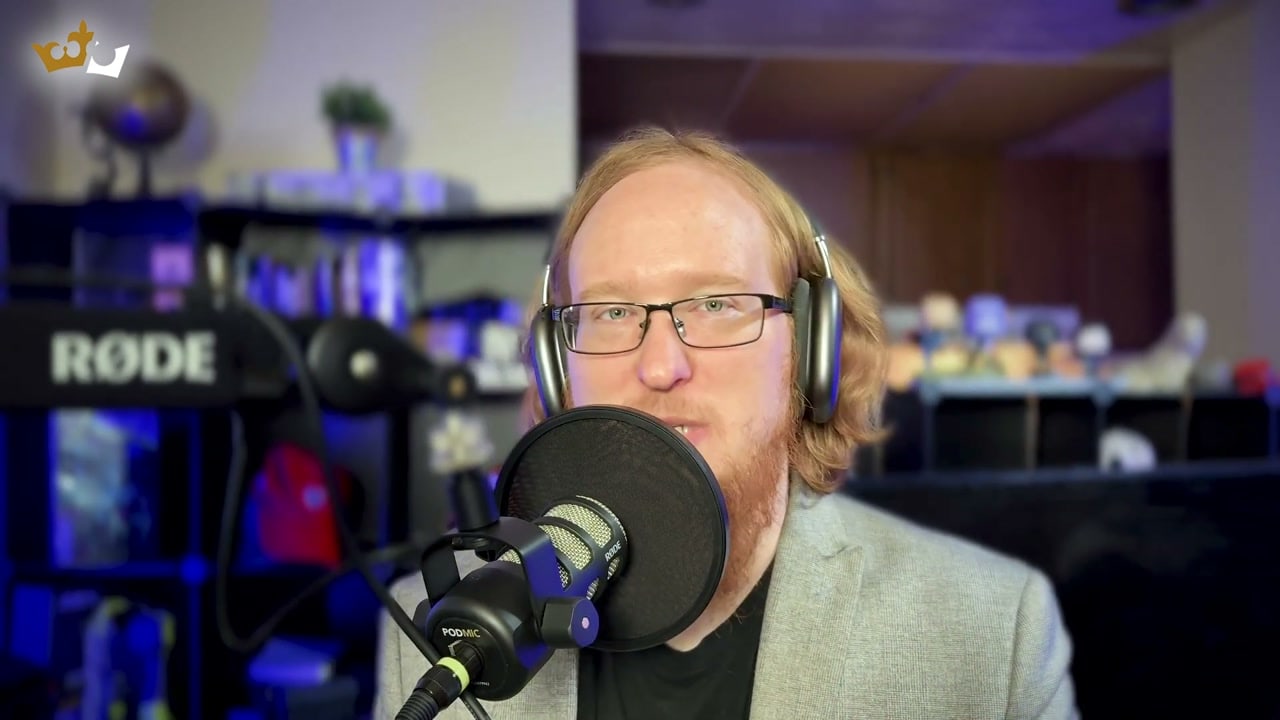
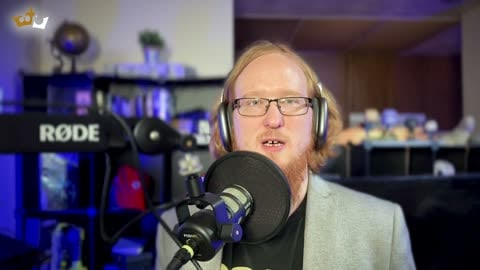
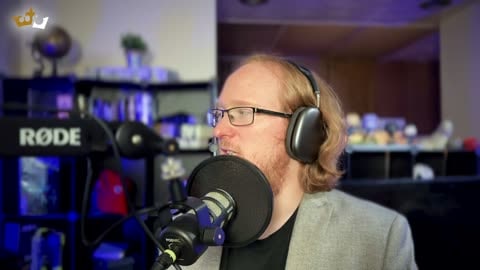
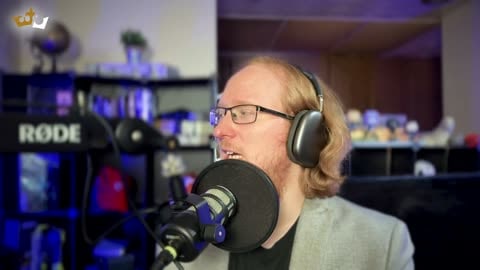
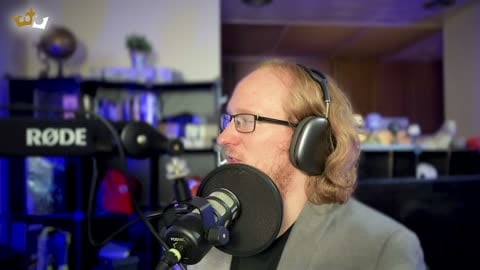
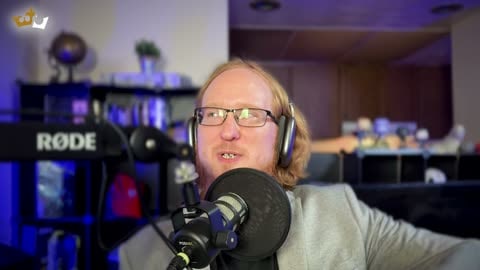
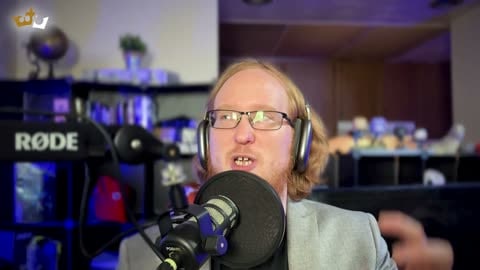
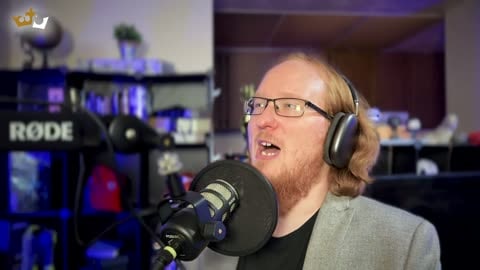
1:02 It may look a little post-apocalyptic, but I assure you the material that we're going to go over today is going to be quite essential. And then see, I updated my rig. You can kind of tell they've, they designed this specifically so they would get free advertising from me until I like replace this bar here. But putting gaff tape on just looked tacky. So today we're going to talk a little bit about the psychology of marketing. And we've all heard of these scams. Also, if my voice is a little hard to hear, I do apologize.
2:07 So there's that. And we all have received and heard of these scams going on, right? One of the newest scams is where they're going to go in on your Facebook, pull your Instagram reels, all those kinds of things. And convinced your loved ones through these voice recordings that they pump through an AI to generate a likeness of you. And convince you or your family member that you've either been kidnapped and they need to pay a ransom note of like $25,000 plus. Or that you're in some immediate, urgent, right now sickness.
3:07 And they seem legit for a brief moment, especially because they want to spark that fear. And the hope is you're not going to look too closely. Because if you look too closely, you'll understand real quickly that it's just a fear tactic. It's all tactics of marketing. And scammers know how to use marketing and to manipulate people to produce response. And that's not marketing. But that's what scammers do. But you, when you begin to build your business, you begin to build your brand, you begin to understand what consumers are looking for, you're going to find, you're going to make more informed decisions, more informed pricing decisions.
4:09 So I thank you for your prayers. And I thank you for bearing with me. Let's take a look at what Google will describe psychology, right? So according to Google, psychology is a scientific study of the mind and behavior. It examines how people think, act, feel, and how these factors and other factors influence their interaction with others. Of course, we're all familiar with Freud psychology and therapy and those kinds of things. But psychology specifically, cognitive psychology, how you think, how you perceive, how you learn, how you remember, how you communicate should instruct you as a marketer.
5:16 I broke these marketing principles into two parts. What you're breaking through, in other words, preconceptions, things that your consumers are going to automatically have to battle. And then what you can start working with. Things that you can make changes to your marketing plan and make it more informed and make some adjustments that'll help customers make decisions. Remember, I've said this once, I've said this a thousand times. Customers are not logical. They don't care what you do. They don't care how you do it. They care why.
6:18 We are not logical people. We are not led by facts and figures. We're led by our soul. We're led by our emotions. We're led by our spirit. Hopefully, if you have taken the spiritual transforming journey of accepting Jesus Christ as a personal Lord and Savior. If you haven't, of course, you're still led by how you feel. Now, the heart, according to scripture, the heart is the most deceitful organ. As in, you'll think you know how you feel, but it's easy deceived, it's easy manipulated, and it's easily hurt.
7:18 And as long as you use it with the right mind, the right heart, you'll discover very quickly that your customers will make better decisions and, of course, choose your product. So, let's start before we get into the two pathways that we just talked about. Let's start real quick with something very, very simple. Ever noticed? Most pricing ends in an odd number. It's usually $49.99, $35.99, $37.99. It usually never ends in an even number. This includes stats. If a stat ends in a zero, that's an even number.
8:23 And so, they'll scroll and they'll spend more time reading your marketing material, reading about those stats and figures, and actually spending more time reading through that product. Which is why most products end, especially in most stats and things that you're online, are going to end in that odd number. That's free. That didn't actually come from me. It came from a sales expert that I've been working with for a couple of years. Okay, so now let's talk about what you're breaking through. Okay, this is a common one.
9:23 And then a second later, they're like, let's do B. It's something that I learned a very long time ago I had to break out of. And your customers do the same thing. So, you can trick them from having, from being paralyzed in making an action. So, instead of saying something like, buy now on a landing page, or purchase now, or subscribe now, you can do the thing that Amazon does. Amazon now has buy now and save, or subscribe now and save, where you can save 10% if you subscribe to this product, and Amazon will ship this product to your front door.
10:36 Which is why merchant boxes, where you buy a box for like a dog, or buy an athletic wear box, and they ship it to you every month. And you think they're not saving money. Trust me, they are, because they know how many people are purchasing this box every month. They go buy this stuff in extreme bulk, print it, have it manufactured, send it over, and then they put these boxes together and send it out to you. And they're making way more consistent cash than when they do a drop of a product every quarter.
11:46 Very basic. Very simple. And all you have to do is add something like buy now and save. Or subscribe now for a better you. Or enroll today, take that leap of faith. Anything like that. Or being paralyzed by an action principle. Another one is called loss aversion. Remember these are all the things that your customers should break through, right? So loss aversion is if you focus on avoiding loss, you're not focused on your gains. Number one failed exercise program in the entire world is dieting. Why?
12:46 I'm losing all of this weight. I have more energy. Instead, when people go to an exercise program or a nutrition program and they call it a diet, it's a loss. Where if it's a nutrition program, it's a gain. It's nutrition. It's positive. Loss aversion. In general, people don't want to miss out also on deals and opportunities. Same thing. Loss aversion. 10% off. Or, hey, we're going to have a drop in 24 hours. Get ready. Okay, great. You're going to have a lot of people clicking, clicking, clicking, clicking, clicking.
13:46 Here's dates. Now you finally got dates. We decided we're canceling one of the dates. We're postponing them. You're still going to have people waking up in the morning, hitting the refresh button, hitting the refresh button, hitting the refresh button, trying to make the purchase of that ticket. Cause it's all boss aversion. And of course, they don't tell you that your odds of getting a ticket is like one in a thousand. They don't tell you those kinds of things. But as soon as people refresh, refresh, refresh, get in that queue, they discover now they have to wait.
14:54 Now you've watched commercials act now by now. I mean, OxiClean is not literally a thing right now. Infomercials are old, but a CTA call to action on any of your marketing that adds the words. Now is going to increase people's response time, especially when they get an email. You get an email. You're like, Oh, I can respond to this later. So put a 15 minute, countdown image in your email. It can restart every time they click on the email. They won't really know because I'll click on it once.
15:55 They're already loyal to your brand. Great. They'll make the purchase. They'll move on. The next thing, which is more important now in the digital age, because many newcomers to the digital age are going to fight with this. This is called the social proof principle. This is the validation of your peers. Okay. So if you're new to a customer, they want to check you out. They're going to look at your Instagram. They're going to look at your Facebook. They're going to look at your tick tock. They're going to look at your Twitter X.
17:02 So if you have products, a product page, and you're adding reviews to those products, do it. Do it. Always filter them. Don't let overly critical reviews, unless the product really sucks, be on there. And don't let overly positive and fake reviews to be on there. Don't pay people for reviews. You can encourage customers. Hey, review this product. Give us your honest feedback. And maybe we'll, you know, they'll do one of those surveys. We'll give you a $25 off or $25 gift card or something. If you know, a hundred people give their real review.
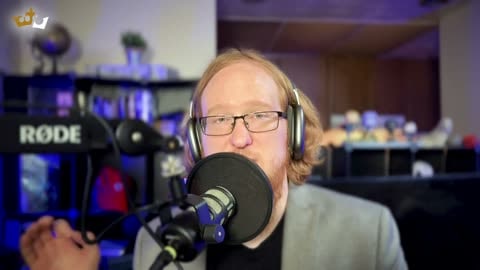
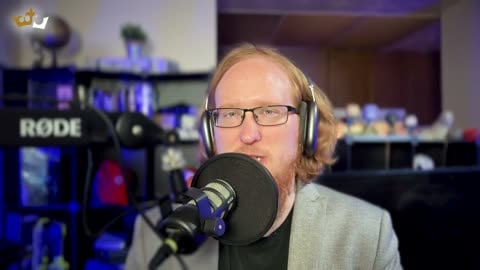
18:06 those kinds of things. I got this pop filter. It's kind of like taking 90% of my face. And I kind of hate it, but it's doing its job. So it's easier for you to hear me as opposed to hearing me breathe like Darth Vader. Anyway. so first one we're going to go through is reciprocity, reciprocity. Okay. That's free trials, free giveaways. You know, I should give something back because you gave something to me. Here's an interesting story. A restaurant used to have mints at the front.
19:06 But they discovered if they got rid of those mints and gave them to the waiters, the surfers, the server, when asked for a mint, could give one mint and their tips increased to 17%. And if they gave two, increased 23%. If they gave one, walked away and stopped and like came back to the table and like, Hey, you know what? Here's another one. And they did it in a way so that the customer didn't feel like he had real bad halitosis. The tips went up to 27% because you feel you're getting service.
20:15 A no risk free trial. A no risk free trial. Cancel any time. You don't need your credit card information. Cancel, right? Cancel. If you don't want it, don't add your credit card information. You won't be billed. But that's reciprocity. Man, please, if I'm mispronouncing something, please understand it's completely my flu and cold. It has nothing to do if I know how to pronounce things. Next one is called anchoring bias. Anchoring bias is a theory that you can use to attract decisions based on content marketing. Anchoring people using information to anchor other information.
21:22 The biggest solution to this problem is to introduce a middle tier option. Only has a few extra features, not as much, nearly as much as the 85. So you just add three or four features, but it's priced just under the more expensive object option. Most people won't buy the third option. They'll buy the most expensive because it will feel like a deal. Now, of course, this is where it gets ethically confusing. So let's say we change our $35 product. We change it to 45. We introduce a $75 product service subscription.
22:24 And everyone's going to buy the $85 more expensive option because it's going to look like a deal. Because you anchored it to the 35 and you anchored it to the 75, which only has four features. And the 85 guy has 17. It feels like a deal. Feels like a deal. Feels like a deal. Feels like a deal. Okay. So that's anchoring bias. Oh, dear Lord. Let me go see if I can get to the pronunciation on this before I butcher it. Pygmalion. Pygmalion or Rosenthal effect.
23:24 Every time someone spreading rumors knows this, it may not be true, but a lot of people have said it so people will start believing it's true. You can do this in marketing. You can start talking about how good your company is and how other people are saying about it. Now that might be true, but your consumer can receive that information and believe it's true. You can even say that you can even use stats and figures to help direct someone's opinion. Maybe they do have great looking skin.
24:26 that kind of thing. And the reverse is true for when you're a motivational product, like you're teaching people how to speak. You're teaching people how to grow their brand. You're teaching people how to invest. If you constantly encourage people, uplift them. It's the same thing that Jesus Christ has said time and time again. We have faith by hearing the word of God and how they hear if they don't have a preacher. Preachers are designed to preach the gospel, the good news, and get it in your soul.
25:26 And that's the psychological effect called the Pygmalion effect. If I pronounced it right then. So this effect can be used negative or positively. Of course, I'm on the ethical side of using it positively to encourage someone. You don't want to just use it to encourage them to purchase your product. But the more you encourage someone, the more you edify someone, the more likely they're going to feel comfort in your direction, receiving those kinds of things, which is also why cults start. So it's very important as a marketer, very important as a minister of the gospel to make sure that you are doing so ethically.
26:28 of spoof messages that people receive all the time, and it's designed, these things, as part of your marketing. You can use a sense of urgency. Okay, CTAs, that's called actions: call now, click here, do something, buy this product, where else? No. Scammers do this all the time. You know, I'm a queen in Africa and I have 2.8 trillion dollars and I'm gonna send this to you, and all you have to do is contact my lawyer and pay the transfer fine. And you're like, you got 2.3 trillion dollars, you can't pay the transfer fee?
27:33 just a pop-up. You can't close the pop-up because they nefariously rig JavaScript to make you feel like this pop-up is in your face. Luckily, most modern browsers come in with this protection. But you sit there, you're like, oh my god, I need to act now, and you call the number on your screen, and the first thing they say is you need to give me access to your computer. You need to log into this thing. Like, I don't know, I mean, I should probably call someone, I should probably verify.
28:38 never call you, Apple will never call you. They may send you an email. Always, always call the phone numbers posted on Apple's website, on Microsoft's website, on Google's website, if there are numbers for Google. Never call the number that's attached to an email. Very first, most important thing: these emails will look like they come from amazon.com, paypal.com, microsoft.com, and they do this. It's very easy to phish with DKIM, DMARC and SPF records, or DKIM, or DKIM domain key records. It's getting harder to spoof certain domains, like you can't spoof the EGT Universe domain, Google, Yahoo.
29:38 email policies, and so it'll go straight to junk. But if you go through your junk, you'll be like, oh, maybe this is, and I'm gonna go pay this, and then they stole all your money, and you're calling the Universe like, hey, my money got stolen, and you guys did. And you're like, no, no, no, you got hosed by spam, and we'd love to help you, but we can't, because a scammer took your money. Put this way: if anything is urgent, typically you're going to have more than 24 hours to respond.
30:41 card payments. You should never give your credit card over the phone. Always ask, where on the online portal can I pay it? Log in with the websites you're familiar with. Never give away information. But you can use a sense of urgency to get people to pay. Biggest one, biggest one: Blue Cross Blue Shield campaigns. I worked with a non-profit where we would help during hurricane victims and famine victims and those kinds of things, and that's all urgent and immediate response. That's all ethically use of urgent.
31:42 is the psychology of marketing. There are, of course, hundreds more things you can do. There's a whole neuroscience thing where, if you have a brick and mortar, actually, let me give you this. If you have a brick and mortar, the number one marketing tool underutilized that you can use is a sense of smell. If you have a brick and mortar, the number one neuroscience sense that you can use in your marketing is a sense of smell. Starbucks, I did a test. They had these great powerful machines that would make the coffee, but they wouldn't inject any smell.
32:49 you walk in, and every time you walk in and every time you smell coffee, you think Starbucks. You can do this for any kind of scent. You walk into movie theater, you smell that popcorn. There's nothing like going to movie theater and having a great box of popcorn that you paid 38 for. Now, hopefully that popcorn doesn't get you sick. Start another time. But the sense of smell is the number one underutilized sense that can leave a lasting impression with your customer. There was a brick and mortar that was failing, and it was because next door, whatever they were doing, these intense cleaning products, smell was like leaking into their restaurant, and patrons couldn't do anything but smell these cleaning chemicals, and like nail polish remover and things of that nature,
33:51 and you can't eat. And, because your taste, your sense of taste is attached to your sense of smell, so you can't taste food without tasting that clean. And they're losing money and they don't know why. The best thing they could have done was move out of that place. We just move, just, you know, killed the lease, cancel the lease. They, their landlord was already in breach of their contract. They could have just left, and they could have kept their business, moved to another location, and it have immediately improved.
34:54 time. I walk into a Subway, I'm like, I like white chocolate macadamia nut cookies. They're not good for you, probably don't taste good, but that smell, forever be with me. It's also your home. You walk in, if it smells like dog, if it smells like the trash hasn't been emptied in three years, you're literally going to feel depressed, you're going to feel aggravated and feel angry. It's the psychological effect. So if you walk into a brick and mortar and it smells bad, the trash is overflowing and just nothing is where it should be, then you're not going to have the experience.
35:56 into the air. That's how much people can use the sense of smell to leave people with this impression, because it is powerful and it attaches to a memory, hopefully attaches to a good memory. You know, gingerbread houses, you know, Christmas, memories all come flooding, and when you smell that's the kind of thing that you can use in neuromarketing. It's actually very sophisticated. There's a whole, whole world for that, and I'm not going to dive in more. We've talked about this. I plan a lot more podcast content.
37:02 the changing and transforming nature of your digital landscape, because it's, it's, it's, and it's going to be weird, because the title is going to be like, you don't need a website. And yet, as a consultant, I make websites and advise people on their websites, so it sounds oxymoron, but it's not. You'll have to know more when I get there. Anyway, before we go, let me pray with you. The Lord be with you, and he shine his face towards you, and everything you do that you'll prosper at the Holy Spirit be evident in your life and everything you do, that your business grows, your ideas expand, and that you understand that you have a divine purpose that God has called upon your life.